
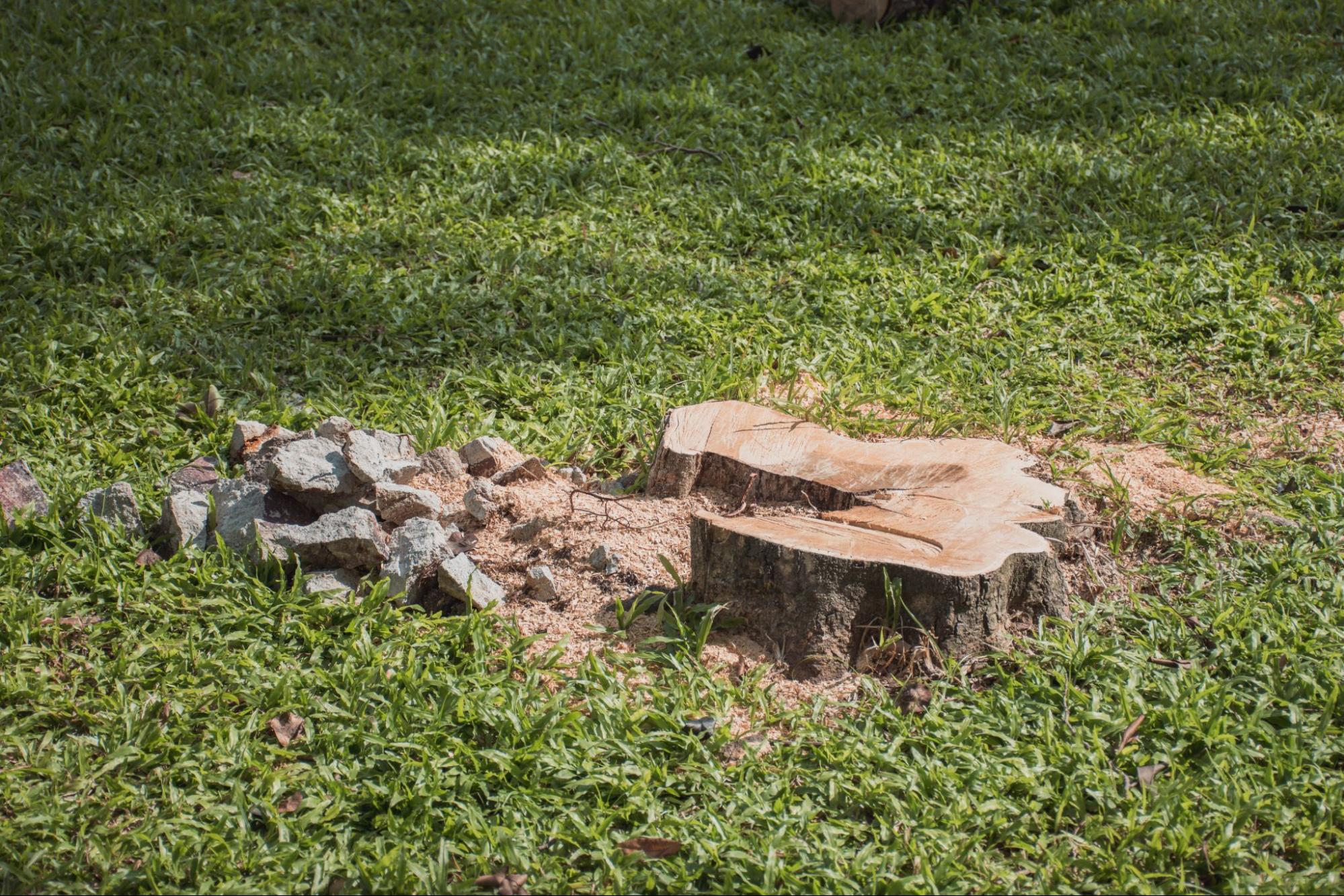
Tree stumps left behind after tree removal often become eyesores and obstacles in yards. Their presence can disrupt landscaping plans, pose tripping hazards, and even attract pests. Removing stumps efficiently requires careful consideration of the correct methods based on the stump’s size, location, and resources available. Using a yard dumpster service helps manage debris effectively, keeping the area clean and organized. Manual approaches, chemical treatments, and professional techniques offer effective solutions for clearing stumps and restoring outdoor spaces.
Manual Methods for Removing Stumps
Manual methods for removing stumps provide practical, cost-effective solutions for smaller stumps or areas where heavy machinery is impractical. These approaches rely on physical effort and basic tools, making them accessible for homeowners willing to invest time and energy. While labor-intensive, manual removal offers a straightforward way to clear stumps without requiring specialized equipment or professional assistance. Choosing the right manual method depends on the stump’s size, root structure, and soil conditions.
Digging Out the Stump
Digging remains one of the most straightforward methods for removing stumps. The soil around the stump is loosened using tools like a shovel, mattock, or pickaxe. As major roots become visible, they are severed with an axe, handsaw, or reciprocating saw. This process allows removal without specialized equipment for small or medium stumps.
Using a Winch for Stubborn Stumps
When digging alone proves insufficient, a manual winch provides the leverage to uproot stubborn stumps. After exposing key roots, a cable or chain attaches the stump to the winch, which pulls the stump free from the soil. A secure anchor point, such as a stable tree or post, is essential for success. Combining digging with winching increases efficiency and reduces strain during manual removal.
Cutting and Leveraging With a Pry Bar
For small stumps with manageable root systems, using a pry bar in combination with cutting tools offers a simple solution. After digging around the stump and exposing the roots, a saw or axe cuts through the thickest sections. Once cut, a sturdy pry bar helps lift and dislodge the stump from the soil. This method works well for lightweight stumps and requires minimal equipment while delivering effective results.
Chemical Methods for Removing Stumps
Chemical treatments offer a low-effort solution for removing stumps by speeding up natural decomposition. These methods are ideal for homeowners waiting several weeks or months for results. However, precautions are essential when using chemical stump removers. Protective gear, such as gloves and safety glasses, should be worn to avoid skin or eye contact. Chemicals must be stored away from children and pets, and applications should follow all manufacturer guidelines to minimize environmental impact.
Using Chemical Stump Removers
Stump removal chemicals, often potassium nitrate-based, break down the wood’s internal structure over time. Holes are drilled into the stump and filled with the chemical, followed by water to activate the process. As the stump softens, it can easily break apart with an axe or shovel. This method requires patience but minimizes physical labor, making it ideal for homeowners seeking a hands-off approach.
Natural Chemical Alternatives
Epsom salt or rock salt is a natural stump remover for a more eco-friendly approach. Like chemical treatments, holes are drilled into the stump and filled with salt and water. Over time, the salt dehydrates the wood, accelerating its breakdown without introducing harmful chemicals into the soil. This method works more slowly but provides a safe option for gardens, family spaces, or environmentally conscious homeowners.
Burning Methods for Removing Stumps
Burning offers a practical solution for removing stumps, particularly when manual or chemical methods are challenging. By reducing the stump to ash, this method clears the ground effectively and prepares it for landscaping or construction projects. Burning is best suited for isolated spaces with minimal fire risk, as it requires controlled conditions for safe execution. While effective, proper precautions must be taken to prevent accidents and comply with local fire safety regulations.
Controlled Burning Techniques
The process starts with drilling holes into the stump and filling them with an accelerant like kerosene. After allowing the accelerant to soak for a day or two, the stump is ignited and monitored closely until it burns completely. Once the burning is complete, soil or sand helps extinguish any remaining embers. Burning works best for stumps in open or isolated areas where the risk of fire spreading is minimal.
Precautions in Burning Stumps
Precautions are essential when using fire to remove stumps. Local fire department guidelines must be reviewed to ensure compliance with open burning regulations. Before starting, the area surrounding the stump should be cleared of flammable debris like leaves, grass, and twigs. A water source, such as a garden hose or a fire extinguisher, must remain readily available to address any unexpected flare-ups. Supervision throughout the burning process ensures safety, and fires must be completely extinguished to prevent smoldering embers from reigniting.

Removing Stumps With Heavy Equipment
Heavy equipment simplifies stump removal, particularly for large stumps, multiple stumps, or projects requiring fast results. Machines like excavators and backhoes provide the power to remove stubborn stumps efficiently and effectively. This method reduces physical labor and removes even deeply rooted stumps. While heavy machinery requires an investment, its speed and effectiveness make it a popular choice for large-scale land-clearing projects.
Using Excavators or Backhoes
Excavators and backhoes can easily lift and remove even the largest stumps. The machinery digs around the stump, exposing roots and pulling the entire stump out of the ground. This method works well for construction sites or areas undergoing significant landscaping. The surrounding soil is often leveled afterward, leaving a clean, stump-free surface ready for further use.
When to Consider Heavy Equipment
Using heavy machinery becomes practical when dealing with large tree stumps, multiple stumps, or time-sensitive projects. While rental options are available, professionals operating the machinery ensure the process is safe and effective. Heavy equipment offers a significant advantage when manual or chemical methods are impractical. The cost and expertise required make it ideal for extensive projects or commercial applications.
Precautions When Using Heavy Equipment
Heavy equipment requires careful handling to ensure safety and prevent damage to property or injury. The power and size of machines like excavators and backhoes make them effective for stump removal but also pose significant risks if not used correctly. Proper training, preparation, and adherence to safety guidelines are critical for minimizing accidents. Taking appropriate precautions allows heavy machinery to be operated efficiently and safely, resulting in successful stump removal without unnecessary hazards.
Inspect the Site
Evaluate the area for underground utilities like water, gas, or power lines. If disturbed during excavation, unmarked utilities can lead to dangerous accidents or costly repairs. Mark these locations clearly and consult with utility services to ensure the site is safe for operation.
Wear Protective Gear
Operators and nearby workers must wear safety equipment, including hard hats, gloves, steel-toed boots, and high-visibility vests. Proper gear minimizes injury in accidents, falling debris, or equipment malfunctions. Protective eyewear and hearing protection may also be necessary, especially during extended operations.
Stabilize the Machinery
Position the excavator or backhoe on stable, level ground to prevent tipping during operation. Unstable surfaces, such as loose or wet soil, can compromise the equipment’s balance and increase the risk of accidents. Use stabilizers or pads to secure the machinery if necessary before starting work.
Clear the Work Area
Remove any objects, debris, or bystanders within the equipment’s working radius to minimize operational risks. Clear the area of loose branches, rocks, or tools that could interfere with the machinery’s movement. Ensuring a clean, obstacle-free space helps prevent accidents and keeps the equipment operating smoothly.
Follow Safety Protocols
Use the equipment as instructed by the manufacturer and avoid improvising during operation. Abrupt movements, overloading the machinery, or extending the arm beyond its capacity can cause mechanical failure or tipping. Regularly inspect the equipment for wear or malfunctions to maintain safe operating conditions.
Hire Professionals When Necessary
If unsure about operating heavy machinery, rely on trained professionals with stump removal experience. Professionals possess the skills and expertise to handle equipment safely and efficiently. Their involvement reduces risks and ensures the stump is removed quickly and effectively while protecting property and nearby structures.
Eco-Friendly Methods for Removing Stumps
Eco-friendly techniques allow stump removal with minimal impact on the surrounding environment. These methods focus on natural decomposition or creative solutions that turn stumps into functional landscaping features. By avoiding harsh chemicals or heavy equipment, eco-friendly approaches help maintain soil health and promote sustainability. Although slower, these methods offer safe, cost-effective solutions for homeowners prioritizing environmental care.
Rotting the Stump Naturally
Natural decomposition encourages the stump to break down over time without chemical treatments. Covering the stump with organic materials like mulch, compost, or soil accelerates the rotting process by promoting microbial activity. Adding moisture further speeds up decay, though the method requires patience. Over several months, the stump gradually softens and blends back into the surrounding soil.
Planting Over the Stump
Repurposing stumps into garden features offers an innovative solution for removing stumps. Hollowing out the stump’s center creates a natural planter for flowers, shrubs, or herbs. The stump becomes part of the landscape, gradually decomposing while adding character to the garden. This approach saves time and turns a once-problematic stump into a visually appealing focal point for outdoor spaces.
Choosing the Right Stump Removal Methods
Removing tree stumps effectively requires selecting a method that suits the size of the stump, the surrounding landscape, and the available tools or resources. With various techniques, making the right decision can ensure efficiency, safety, and minimal damage to your property. Considering several factors or following specific steps can guide you toward the best approach for stump removal.
Evaluate the Size and Condition of the Stump
The size and condition of the stump heavily influence the removal method. Smaller or decaying stumps are easier to handle and may only require manual tools or grinding, while larger, solid stumps often demand heavy machinery. Identifying the stump’s age, hardness, and root spread will help you match it with the most effective removal technique.
Consider the Available Tools and Equipment
The tools and equipment at your disposal are key in the removal process. Basic tools like shovels and axes are sufficient for manual digging, but grinding and chemical treatments require specialized machines or materials. Assessing your resources in advance ensures you have the right equipment for the job and avoids unnecessary delays.
Assess the Surrounding Landscape
The area around the stump impacts the feasibility of different removal methods. If the stump is near structures, underground utilities, or landscaping features, methods like grinding or chemical treatments are safer to prevent damage. On the other hand, open spaces allow more aggressive approaches like excavation or burning when permitted.
Evaluate Time and Budget Constraints
Each method varies in cost and time commitment, so these factors must be considered. Manual techniques are often cost-effective but time-intensive, whereas machinery speeds up the process at a higher expense. Chemical treatments are economical but require patience for the stump to break down completely.
Understand Environmental Impacts
Environmental considerations, such as soil health and nearby vegetation, should guide your decision. Chemical methods may affect the surrounding soil, making them less ideal in eco-sensitive areas, while grinding leaves mulch can enrich the soil. Choose a method that aligns with your environmental priorities to maintain the health of your property.

Simplifying the Process of Stump Removal
Simplifying stump removal involves selecting the right technique based on the stump’s characteristics and surroundings. Manual methods effectively address smaller stumps, while chemical treatments work for those who prefer a hands-off approach. Grinding and machinery are ideal for speed and efficiency, especially for large stumps. Sustainable options, such as natural breakdown or creative repurposing, provide environmentally friendly alternatives. By matching the method to your needs, stump removal can be straightforward and effective.
Explore reliable and affordable equipment solutions for your next project on our MALC Rentals blog today.