
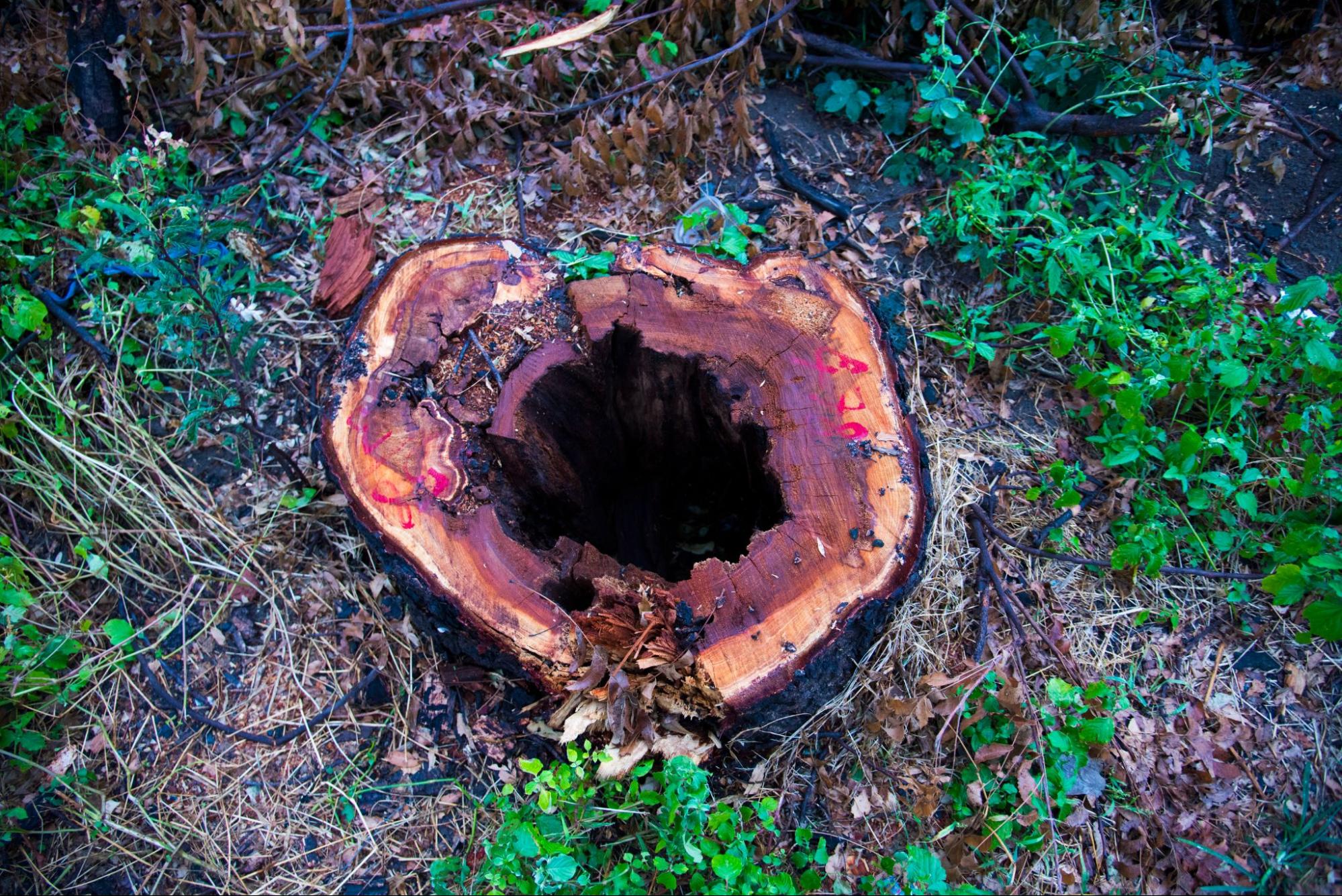
A leftover tree stump can be more than just an eyesore. It interferes with landscaping plans and attracts pests. It may also damage lawn equipment and present a tripping hazard. Many people assume tree stump removal is quick, but the truth is more layered. Time, tools, and technique all come into play before that stubborn stump is finally gone.
What Affects Tree Stump Removal Time?
Every stump is different, and that affects how long it takes to remove. Some stumps come out in under an hour, while others can drag on for days or weeks. Timing depends on the stump’s size, condition, and location. Understanding the variables can help you plan more effectively and avoid surprises:
Stump Size and Tree Species Matter
Larger stumps naturally take longer to remove. A thick base means more wood to grind or dig through. Hardwood trees like oak and maple resist more than softer trees like pine. Their dense structure slows down grinders and dulls tools faster. Similarly, trees with aggressive root systems require extra effort to extract fully.
Stump Age and Condition
An older stump might not be as hard to handle. Decay softens the wood, making grinding or chemical methods easier. Fresh stumps, on the other hand, can be tough and fibrous. Moisture content also plays a role in the ease of removal. Wet or green wood is more complicated to break down compared to dried-out stumps.
Soil Type and Ground Conditions
Soil plays a crucial yet often overlooked role in the removal of stumps. Loose, sandy soil allows for faster digging and machine access. In contrast, rocky or compact clay soil creates resistance. Wet or muddy conditions can bog down equipment or make manual labor more difficult. Seasonal changes, such as frozen ground, can also delay removal efforts.
Tree Stump Removal Methods and Their Timelines
Different removal methods have varying timelines. Some are quick but more expensive. Others are inexpensive but last for weeks. The best choice often depends on the stump size, location, and the urgency of the situation:
Grinding the Stump
Stump grinding is one of the fastest and most effective methods for removal. It usually takes between 15 minutes and two hours. The grinder shreds the wood into mulch, which stays in place or gets hauled off. Grinding leaves roots behind, but they decay naturally over time. This method is ideal for average-sized stumps with clear access to the area.
Manual Removal
Manual removal is physically demanding and time-consuming. It involves digging, cutting the roots, and pulling out the stump. Depending on stump size and soil type, this could take several hours or even a whole day. It’s usually best for smaller stumps or decayed wood. Tools like axes, shovels, and saws are typically required.
Chemical Stump Removal
Chemical methods take the longest. This process uses potassium nitrate or similar substances to break down the wood. It can take anywhere from three weeks to three months. You must drill holes in the stump and apply the product multiple times. Patience is key, but it’s a low-effort, low-cost method.
Burning the Stump
Burning is a faster alternative to chemicals, but it is not always a legal option. It typically takes between four and 12 hours, plus preparation time. You’ll need to drill holes, apply fuel, and closely monitor the burn. Some areas restrict open burning, so it’s essential to check the local regulations. When allowed, it works best for dry, older stumps.

How Professionals Speed Up Tree Stump Removal
Hiring tree care professionals often cuts removal time in half. They bring experience, industrial-grade tools, and a focused plan. It reduces guesswork and eliminates trial-and-error. While it costs more, the time saved and results gained often make it worthwhile.
Using the Right Equipment
Professionals use stump grinders that are far more powerful than DIY models. They have machines tailored for small yards or large projects. These tools reduce grinding time and clean up efficiently. Safety gear and techniques also help them avoid delays. Their tools work faster and more safely than consumer equipment.
Assessing Before Starting
Before work begins, a professional will assess the site to ensure it is suitable for the project. They look at stump size, root spread, and surrounding obstacles. That helps them choose the right method and tools for the job. A detailed assessment prevents delays and mid-job changes. It also minimizes property damage risks.
Cleanup and Disposal Efficiency
After stump removal, the mess often takes time to manage. Professionals clean up faster using leaf blowers, mulchers, or loaders. They may haul away debris or grind it into beneficial mulch. Some services also remove surface roots or prepare the ground for new landscaping. Their cleanup speed matches their removal efficiency.
Tree Stump Removal and Local Regulations
Tree stump removal isn’t just about tools and time. Local laws can impact what methods you’re allowed to use. Some techniques, like burning or chemical use, may be restricted. Knowing these rules ahead of time can prevent fines and delays:
Permits and Restrictions
Some cities require a permit before you start removing a tree stump. That is common in neighborhoods with strict landscaping or zoning codes. Burning stumps is often banned outright, especially during dry seasons. Even grinding may need approval if you’re near power lines or underground utilities. A quick call to your local office can save you from costly setbacks.
Environmental and Safety Codes
Stump removal can have a significant impact on the environment, particularly near water sources. Chemical methods may be restricted if runoff could harm nearby vegetation or enter storm drains. Burning can be hazardous in areas prone to wildfires, resulting in seasonal bans or year-round restrictions. Many towns also have noise ordinances that limit the use of machines to specific hours of the day. Professionals typically stay up to date on these codes and plan accordingly.
Preparation Tips Before Tree Stump Removal
Preparing your yard before removal can save time and money. It also helps prevent accidents or delays once the work starts. A bit of planning goes a long way in smoothing the process. These simple steps can make a big difference:
Clear the Area
Make sure the area around the stump is free of obstacles. Remove toys, garden hoses, or lawn furniture. Keep pets and children inside during removal. It provides workers with enough room to move safely. A clear work zone also prevents damage to your belongings.

Choose the Right Time of Year
Timing can affect how easily a stump is removed. Avoid wet seasons when the ground is soft and unstable. Spring and early fall often offer the best soil conditions. Dry, moderate weather allows machines to work without sinking. Avoid frozen soil or extreme heat, as these conditions can cause the ground to harden.
Communicate With the Professionals
Discuss your goals with the team before they begin. Ask how long the removal will take and what to expect. Be clear about whether you want just the stump removed or the roots, too. Let them know if you plan to replant or reseed the area. Open communication avoids surprises and speeds up the process.
How Long Does Tree Stump Removal Take on Average?
There is no one-size-fits-all timeline for stump removal. However, average durations can provide a rough estimate of the duration. These estimates help you plan your schedule and budget better. Knowing what to expect keeps things moving smoothly:
Time Estimates by Method
Grinding usually takes under two hours. Manual removal can take anywhere from half a day to a full day. Chemical methods can span weeks or months. Burning typically falls between four and twelve hours. Each method carries its demands and pace.
Time by Stump Size and Complexity
Small stumps under 12 inches often come out in under an hour. Medium stumps between 12 and 24 inches in diameter may require two to three hours to remove. Large stumps over 24 inches in diameter can take several hours to a full day to remove. Root complexity can add to the time, especially with older trees. Knowing the stump size helps set realistic time expectations.
When Multiple Stumps Are Involved
Removing more than one stump adds time, but not necessarily in a linear manner. Professionals often work faster once they’re set up and rolling. Batch grinding methods reduce downtime between stumps. Yard size, layout, and machine access all factor in. Be sure to ask for a total estimate if you have multiple stumps to remove.
Why Time Isn’t the Only Factor in Tree Stump Removal
Faster isn’t always better when it comes to stump removal. Safety, cost, and long-term outcomes should also be taken into consideration. Speed means nothing if it leads to damage or incomplete work. Balancing time with results gives you better value.
Safety Concerns
Cutting corners to save time can be dangerous. Heavy equipment and sharp tools require care and training. Rushing the process risks personal injury or property damage. Professionals follow safety protocols that take time but prevent accidents from occurring. Going slow when needed keeps everyone safe.
Long-Term Yard Health
A quick removal might leave roots that sprout again. It could also attract pests, such as termites or ants. Incomplete jobs can lead to future yard problems. Taking time to remove everything ensures clean soil and healthy ground. It benefits future landscaping or planting plans.
Budget and Time Balance
Fast methods tend to be more expensive, especially when hiring professionals. Slower DIY methods save cash but require effort and patience. Your choice should match both your budget and timeline. A quality job saves future headaches, even if it takes a bit longer. Consider all angles before deciding.
Why Timely Tree Stump Removal Protects Your Entire Landscape
That old stump in your yard isn’t waiting around harmlessly. It’s working against your landscape, your safety, and your plans, day by day, root by root. Time is never neutral with stumps; they either get handled or they get worse. Getting rid of it isn’t just a task; it’s a turning point for your outdoor space. Take control while the ground is solid, the weather is on your side, and the stump hasn’t invited more problems beneath the surface.
Want more practical insights on outdoor projects and equipment that gets the job done right? Head to the MALC Rentals blog and see what’s working for real homeowners.