
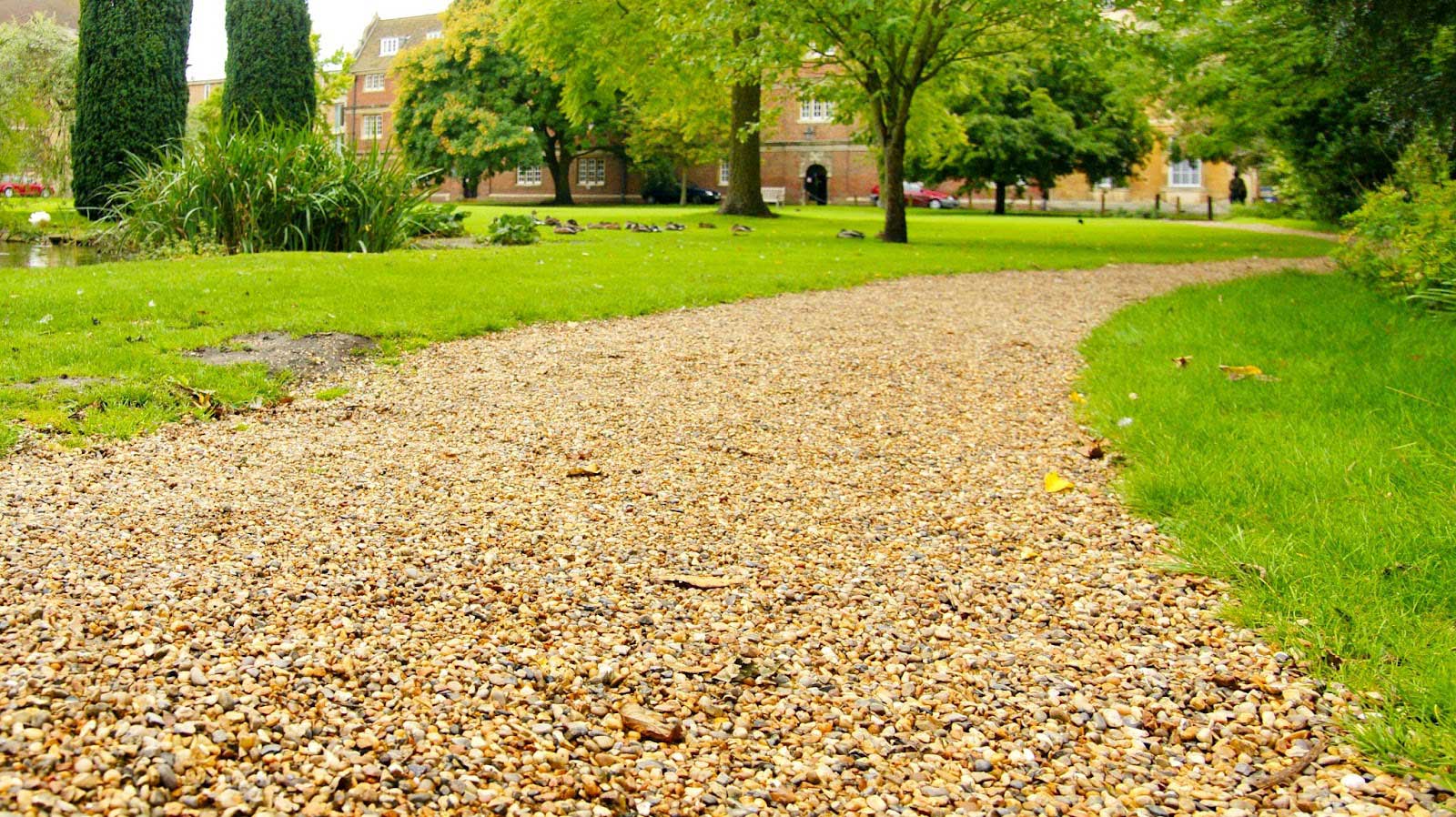
Driveways do more than connect the road to your garage. They take on the weight of vehicles, rain, heat, and freezing temperatures. When they start to sink, crack, or scatter, the cause is usually hidden under the surface. It’s not just about looks; the selection of a gravel driveway directly affects its performance. Selecting the wrong type can lead to more repairs, increased spending, and frustration.
Understanding the Role of Gravel for Driveways
Gravel works behind the scenes, but its effect is very real. A driveway’s strength, drainage, and shape depend on what lies underneath. Choosing gravel without considering its intended use leads to rapid wear and tear. For a driveway to last, each layer must work with the next.
Why Gravel Choice Impacts Driveway Strength
Every driveway holds more weight than most people realize. Between parked vehicles, delivery trucks, and runoff, gravel is tested. Angular gravel locks into place, reducing shifting. Rounded stones move more, leading to weak spots and depressions. Moisture also behaves differently depending on the stone’s shape and size. The wrong combination creates drainage issues that damage the base.
Gravel Layers and Their Specific Purposes
A gravel driveway isn’t one uniform mix. It’s built in layers, each with a specific job. The bottom layer provides stability and should be composed of large, jagged stones. The middle layer creates support and binds the surface. The top layer handles traffic and controls drainage. Skipping or mixing up these layers leads to faster breakdown.
Types of Gravel for Driveway Strength and Longevity
Gravel isn’t one-size-fits-all. Each type serves a different purpose and is better suited to certain climates and usage levels than others. A solid surface needs the right texture, density, and layering. Choosing carefully means less maintenance and a longer-lasting driveway.
Crushed Stone: The Backbone of Durable Driveways
Crushed stone is formed from broken-down rock and typically has sharp edges. These jagged edges help the pieces lock together tightly. This locking action makes it ideal for the base or middle layer. It supports heavy loads and doesn’t shift under weight. Sizes like #3 or #4 work well for the base. Smaller sizes, like #57, can serve as a surface layer.
Pea Gravel: Visually Appealing but Tricky
Pea gravel is small, round, and smooth. It’s attractive and often used for decorative surfaces. However, due to its round shape, it doesn’t hold up under weight. Cars tend to push it around, creating bare spots and ruts. Use a gravel grid or border if you still want it to have that look. That helps keep it from moving too much.
Quarry Process Stone: A Reliable Middle Layer
Quarry process (QP or crusher run) is a blend of stone dust and crushed stone. The dust fills gaps between larger pieces, creating a solid, compacted layer. That makes it ideal as the middle layer beneath surface gravel. It provides both drainage and strength. Typically, it works best beneath angular top layers for added stability.
Recycled Asphalt: A Budget-Friendly Option
Recycled asphalt, often referred to as millings, is crushed-up pavement. It compacts well and forms a semi-solid surface. It also resists water better than some gravel types. People choose it for its low cost and eco-friendliness. However, it can soften under extreme heat. It’s best used in areas with harsher winters than summers.
Matching Gravel for Driveway Conditions
Different driveways have different needs. Slope, usage, soil type, and weather affect gravel performance. Choosing the wrong material for your conditions can significantly reduce the lifespan of your driveway. Matching gravel to your environment keeps the surface firm and stable.
Choosing Gravel for High-Traffic Driveways
High-traffic driveways need gravel that won’t shift or crush under weight. Crushed stone with angular edges holds firm under repeated pressure. Larger base gravel, like #3, should be used under finer top gravel, like #57. Edging can also help contain the gravel and prevent it from washing out. Maintenance is easier when gravel stays put and resists spreading.
Selecting Gravel for Sloped or Wet Areas
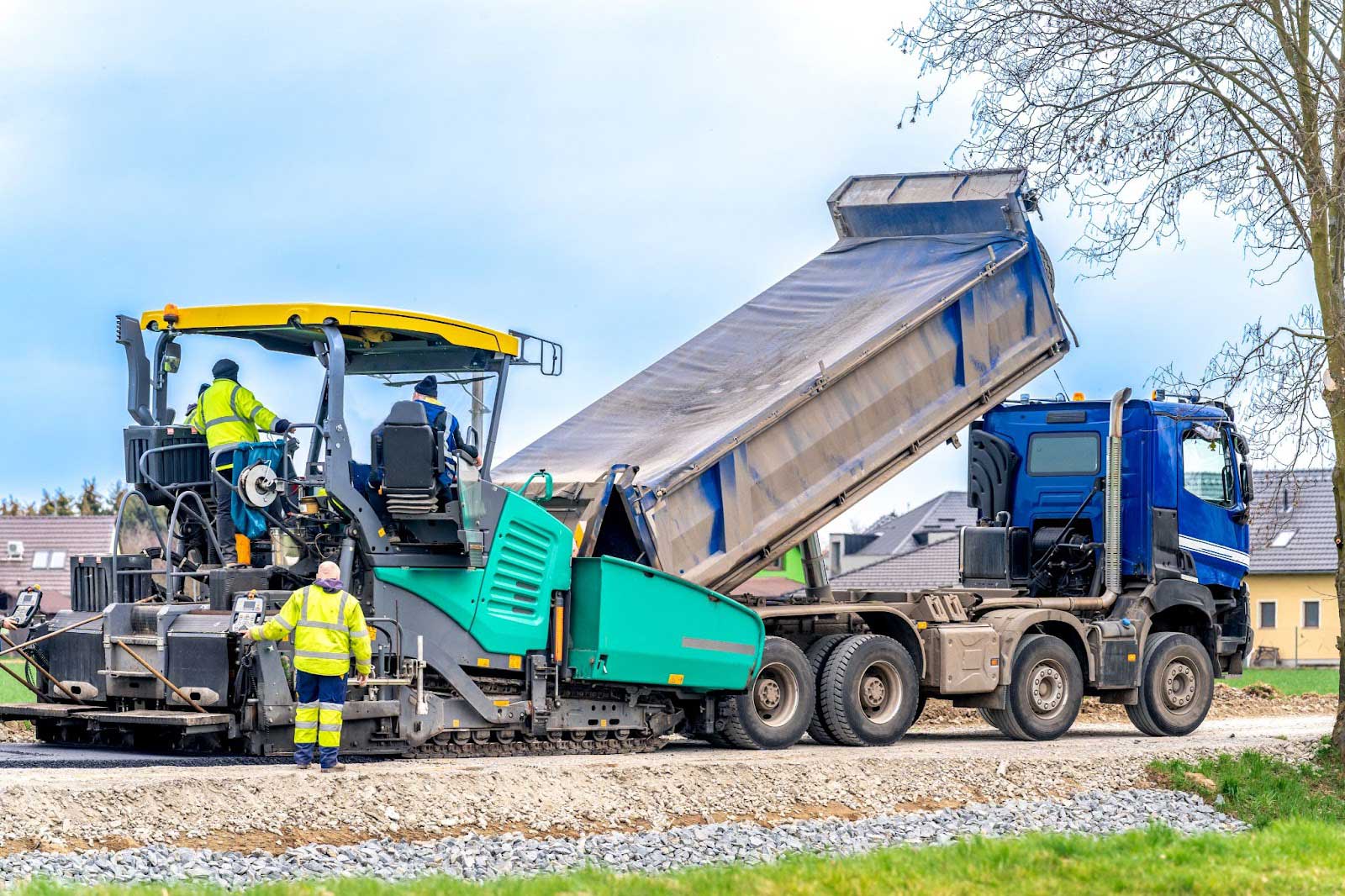
Water is a real problem in sloped or low areas. Without proper gravel, it creates ruts and washouts. Angular stone with excellent drainage helps direct water away from the area. Installing geotextile fabric under the gravel adds stability. Consider using a French drain or a sloped design to quickly redirect runoff.
Picking the Best Gravel for Low-Maintenance Needs
If you want less upkeep, focus on gravel that packs tightly and resists movement. Quarry process or compacted crushed stone is a wise choice. These materials reduce weed growth, slow erosion, and limit potholes. They require fewer touch-ups and last through seasonal changes. A well-packed base layer is key to reducing future repairs.
Gravel for Driveway: Cost, Supply, and Setup Tips
Once you know what you need, it’s time to obtain it. But not all gravel is sold or installed equally. Cost, quality, and placement affect how well it performs over time. With some research and thoughtful planning, you can avoid expensive mistakes.
How to Buy Quality Gravel for Driveway Projects
Start by checking what type of stone a supplier carries. Request clean, angular gravel that matches the layer of your driveway. Make sure it’s free from clay and organic debris. Calculate the amount you need by measuring the length, width, and depth of the item. Use a gravel calculator or consult a supplier to ensure accurate ordering, avoiding both over- and under-ordering.
Hiring Contractors vs. DIY Installation
Doing it yourself saves money, but it’s not always an easy task. You need equipment to dig, grade, and compact the layers. Improper installation leads to dips, poor drainage, and shifting. A gravel contractor with experience can better handle slopes and subsoil problems. If you DIY, rent the right tools, and follow a clear plan.
Best Gravel Combinations for Specific Driveway Goals
Not every gravel driveway needs the same formula. The right gravel mix depends on your specific goals, such as cost control, long-term strength, or rapid installation. Some gravel types work better when layered with others. Selecting a combination that suits your situation results in a longer-lasting surface with fewer issues.
Gravel Blend for Maximum Load-Bearing Capacity
Heavy trucks and frequent traffic demand a stronger foundation. Start with large crushed stone (#3 or #4) for the base layer. Add a middle layer to the quarry process to fill gaps and bind the base. Finish with a surface layer of angular #57 stone. This combo balances drainage with compaction and resists movement.
Affordable Mix for Light-Use Driveways
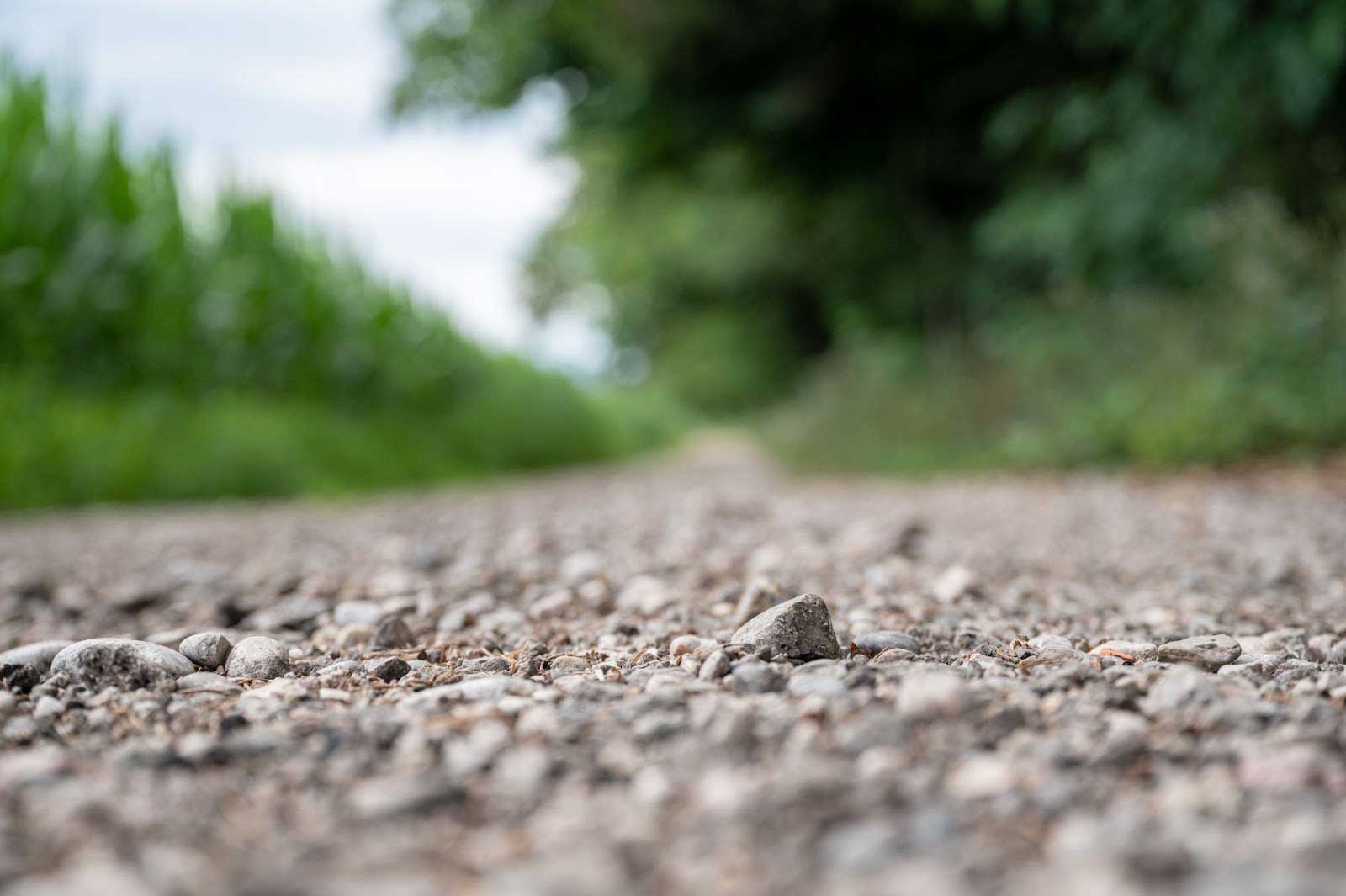
If the driveway gets minimal use, a thinner profile can reduce costs. Use a four-inch base of recycled asphalt or crusher run. Top it with fine crushed gravel, such as #411, or compacted decomposed granite. This gravel topper offers a solid surface without breaking the budget, making it an ideal choice for rural or seasonal homes.
Low-Tracking Mix for Cleaner Entryways
Some gravel types stick to tires and shoes more than others. To reduce mess, avoid loose or dusty gravel near home entry points. Use a compacted quarry process as a base, then top it with stone dust or finely crushed limestone. It forms a firmer top that resists shifting. Consider a gravel grid to help hold everything in place.
Best Gravel for Driveway Durability by Climate
Gravel that works in one climate may fail in another. Heat, cold, and moisture all impact how gravel performs over time. A gravel mix that holds up in a desert might wash out in heavy rain. Matching gravel to your regional weather makes your driveway stronger from the start.
Gravel for Hot and Dry Climates
In areas with intense sun and heat, gravel dries quickly and becomes dusty. Crushed stone is a better choice than rounded gravel in this instance. It locks together and doesn’t blow away as easily. Avoid fine materials like stone dust unless they are well-compacted or sealed. Recycled asphalt also performs well in hot climates because it bonds effectively under high temperatures. Just watch for soft spots if temperatures climb too high.
Gravel That Performs in Cold, Freeze-Thaw Regions
Freezing and thawing cycles break down weak gravel quickly. Use angular crushed stone that allows water to drain instead of pooling. Avoid rounded pea gravel, as it tends to shift when the ground moves. A solid base layer with proper compaction is especially critical in colder areas. Layering with a quarry process between the base and top gravel gives added stability. Choose pieces no smaller than ¾ inches for surface gravel to resist heaving.
Ideal Gravel Mix for Humid or Rainy Areas
In areas with frequent rain, drainage becomes the biggest concern. The best gravel mix should allow water to pass through and avoid puddles. Start with a thick base of coarse crushed stone to support runoff. Follow with a mid-layer of quarry process to fill gaps. Use a top layer of angular #57 gravel or a similar material. Avoid gravel mixes with high clay content, as they retain moisture and become soft when wet.
Choose Gravel for Driveway Durability That Lasts
The difference between a driveway that lasts years and one that falls apart is what’s under your tires. Gravel isn’t just filler; it’s the foundation of strength, drainage, and long-term value. Cut corners now, and you’ll pay in repairs later. Choose the right gravel, lay it right, and you’ll only have to think about it once.
Visit the MALC Rentals blog for expert advice on building better driveways.