
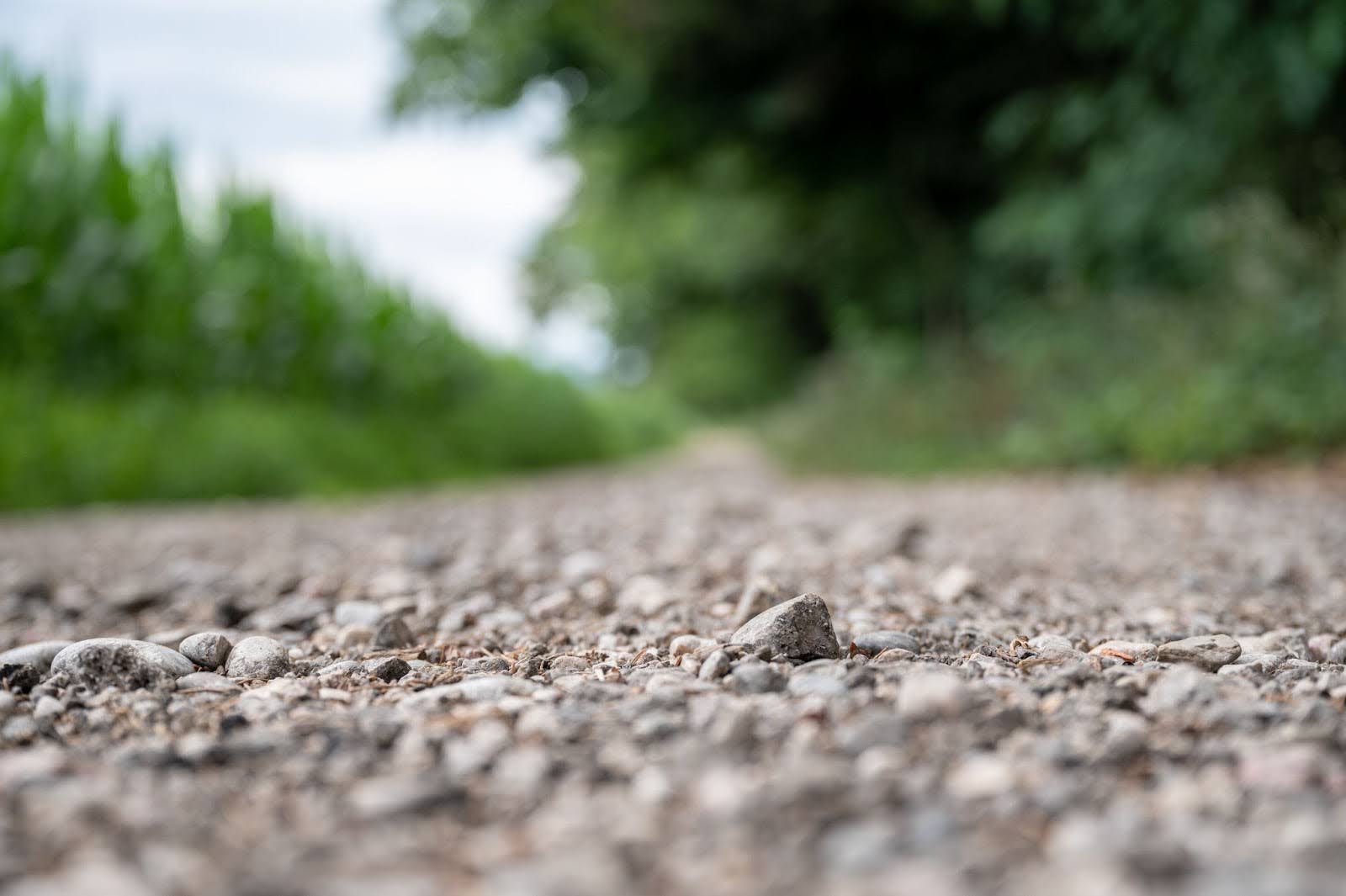
Gravel driveways are often labeled as dusty, short-lived, or “cheap,” but most of those claims stem from poor installation or mismatched materials. When properly designed with a stable base, well-graded aggregate, and thoughtful drainage, a gravel surface can be durable, attractive, and cost-effective for homes, farms, and light commercial sites. This guide tackles the most prominent myths so you can decide with facts instead of folklore.
Understanding Gravel Driveways Beyond the “Cheap” Stereotype
The notion that a stone surface is always a budget stopgap ignores the fact that specification drives performance. With the proper gradation, compaction, and edging, the finish feels intentional—more cottage lane than construction leftover. The long-term value comes from matched materials and maintenance that suits the site, not from throwing a random pile of stone on bare soil and hoping for the best.
Why Gravel Driveways Are Not Automatically High-Maintenance
Maintenance is often overestimated because people picture ruts and washouts after every rain. In reality, a compacted base, a crowned centerline, and periodic top-ups keep the surface stable. Light raking after heavy use and a seasonal pass with a box blade or landscape rake can restore the profile quickly. Compared to resurfacing asphalt or sealing concrete, routine care can be simpler and less expensive over the life of the driveway.
How Gravel Driveways Handle Drainage and Erosion Control
A well-built aggregate surface manages water rather than fighting it. The crown sheds rainfall to the shoulders, and a base layer of angular stone disperses load while allowing limited infiltration. Ditches or swales carry runoff away from the lane and structures, preventing channeling. When water has somewhere to go and the surface directs it, erosion risks drop dramatically.
Proper Base Preparation
Compacted lifts of angular stone create interlocking friction, reducing movement under wheels. Skipping this step invites ruts and potholes.
Smart Water Management
A gentle crown and clean side ditches move water off the surface. Where grades are steep, check dams or geogrid add extra stability.
Are Gravel Driveways Always Dusty And Dirty?
Dust comes from fines that are either too abundant or too loose. Selecting a mix with the right balance of fines and angular particles helps the surface lock up under compaction. On dry, windy sites, periodic watering or an approved dust suppressant helps maintain comfortable air quality. Traffic patterns matter too—slow turns and steady acceleration minimize the abrasion that makes dust.
Material Selection Matters
Dense-graded, angular stone knits together and resists grinding. Rounded pea gravel tends to roll, loosen, and generate more dust.
Ongoing Surface Care
Top off thin areas and recompact after heavy use. Address small divots promptly so they do not become larger maintenance issues.
Gravel Driveways And Winter Weather Myths
Many assume snow removal is impossible on stone. The trick is technique. Raising plow skids a few inches or using a snow blower preserves the surface while clearing lanes. Because the surface is permeable, freeze–thaw cycles can be less punishing than on solid slabs that trap water. Ice management relies on sand, treated salt blends, or traction chips suited to local conditions.
Snow Removal Techniques
Set plow shoes, avoid digging at the crown, and clear in multiple passes. A light final scrape keeps traction high without dislodging the base.
Freeze–Thaw Performance
Drainage and compaction limit heaving. A stable base keeps the surface from pumping fines when temperatures swing.
Do Gravel Driveways Wash Away In Heavy Rain Or On Slopes?
Runoff issues usually stem from flat profiles or missing edges, not the material itself. A crowned cross-section, compacted shoulders, and edging retain aggregate during storms. On slopes, geotextile underlayment and strategically placed check bars or water bars interrupt flow, keeping stone where it belongs.
Edge Restraints And Crowns
Timber, steel, concrete, or turf-reinforced edges keep stone contained. The crown prevents water from racing down the wheel paths.
Choosing The Right Gradation
Blends that include fines lock better on grades. Oversized or uniform stone tends to migrate under braking and acceleration.
Gravel Driveways Are Not Incompatible With Modern Design
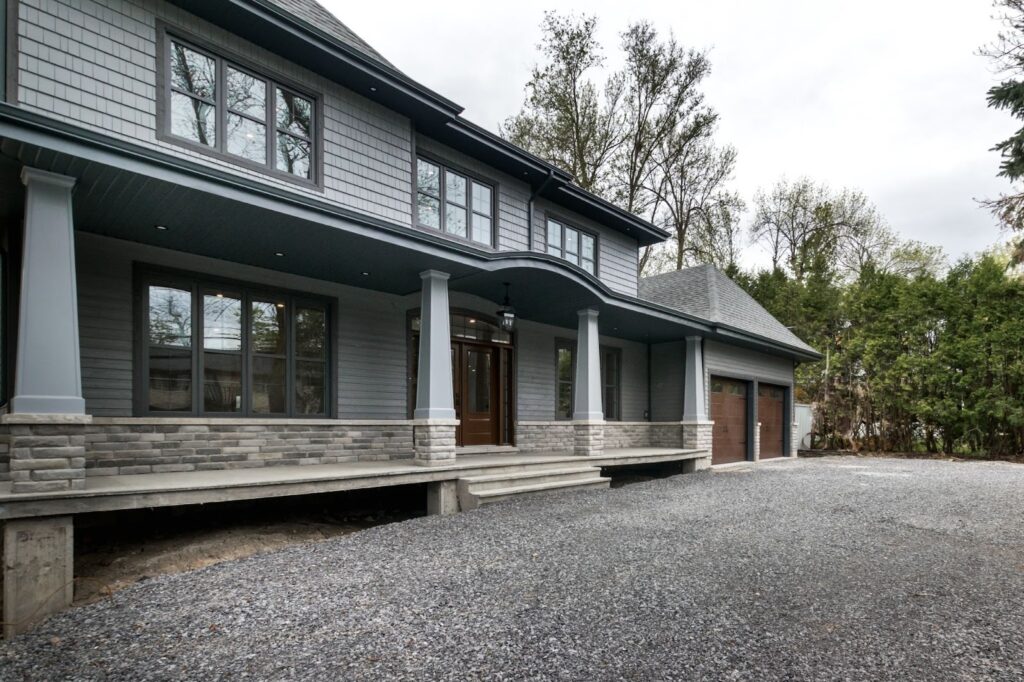
A stone lane can look upscale when it is framed and detailed like any other exterior finish. Defined edges, complementary color, and a clean junction at the street or garage make the surface read as purposeful. Paired with native plantings or a crisp border, the approach feels curated and suits both traditional and contemporary architecture.
Do Gravel Driveways Lower Property Value By Default?
Value depends on context. In rural and semi-rural markets, buyers often prefer a well-kept stone drive for its drainage, ease of repair, and natural look. Even in the suburbs, a tidy, well-edged surface can offer strong curb appeal. The real estate hit happens when a driveway is neglected, rutted, or spills into landscaping. Good first impressions come from maintenance and design, not from the surface type alone.
Curb Appeal Is Design
Consistent edges, a defined apron, and a smooth profile sell the look. Small touches communicate care and elevate perceived quality.
ROI Depends On Site
On long lanes, repair costs can favor stone over paving. Savings can be redirected to landscaping or exterior lighting that boosts value.
Gravel Driveways And Environmental Considerations
Because the surface is permeable, stormwater can infiltrate rather than sheet across pavement. That helps reduce runoff volume and can ease pressure on drainage systems. Sourcing local aggregates lowers transport emissions, and recycling worn stone into the base limits waste. In sensitive areas, pair the surface with bioswales or rain gardens to handle peak flows responsibly.
Are Gravel Driveways Always Noisy Or Uncomfortable To Drive On?
Noise typically comes from loose, round aggregates that scatter under tires. Dense-graded, angular stone compacts into a firm mat that feels stable and quiet at residential speeds. If you hear a crunch, it is often a sign that the top layer is too thick or that the surface needs another round of compaction to knit the particles together.
Permits, Regulations, And HOAs For Gravel Driveways
Local codes may treat a stone lane differently than pavement, especially near public roads, wetlands, or steep grades. Some municipalities require stabilized entrances or specific base depths to prevent tracking onto streets. Homeowners’ associations may specify color, edge detail, or transition at sidewalks. A quick review before work begins avoids rework and keeps the project compliant.
Local Codes And Setbacks
Confirm sightline rules at the road, drainage requirements, and allowable widths. Plan culverts or aprons where needed.
HOA Standards And Aesthetics
Ask for approved stone colors and border options. Aligning early prevents disputes and speeds approval.
Long-Term Care Tips That Keep Gravel Driveways Performing
Think of maintenance as small, regular tune-ups rather than big overhauls. Repair low spots after heavy storms, clean ditches each season, and top with fresh material when the matrix thins. A scheduled compaction pass—especially after adding stone—preserves the crown and keeps the surface smooth. With these habits, the driveway stays tidy and resists the wear that fuels most myths.
Seasonal Touch-Ups
Spring grading and fall ditch cleaning go a long way. Short sessions prevent minor flaws from growing into costly fixes.
Material Refresh Strategy
Order the same gradation for top-ups so the surface locks consistently. Compact in thin lifts for best results.
Dispelling Widely Circulated Gravel Driveways Myths
Most complaints come from shortcuts: thin bases, rounded stone, or missing drainage. When those details are correct, a stone lane is stable, attractive, and adaptable to climate and code. If you want a natural look, easy repairs, and substantial cost control on longer approaches, this surface deserves serious consideration—and not just as a “cheap” alternative.
Visit our MALC Rentals blog to learn more about the functionality of gravel driveways.