
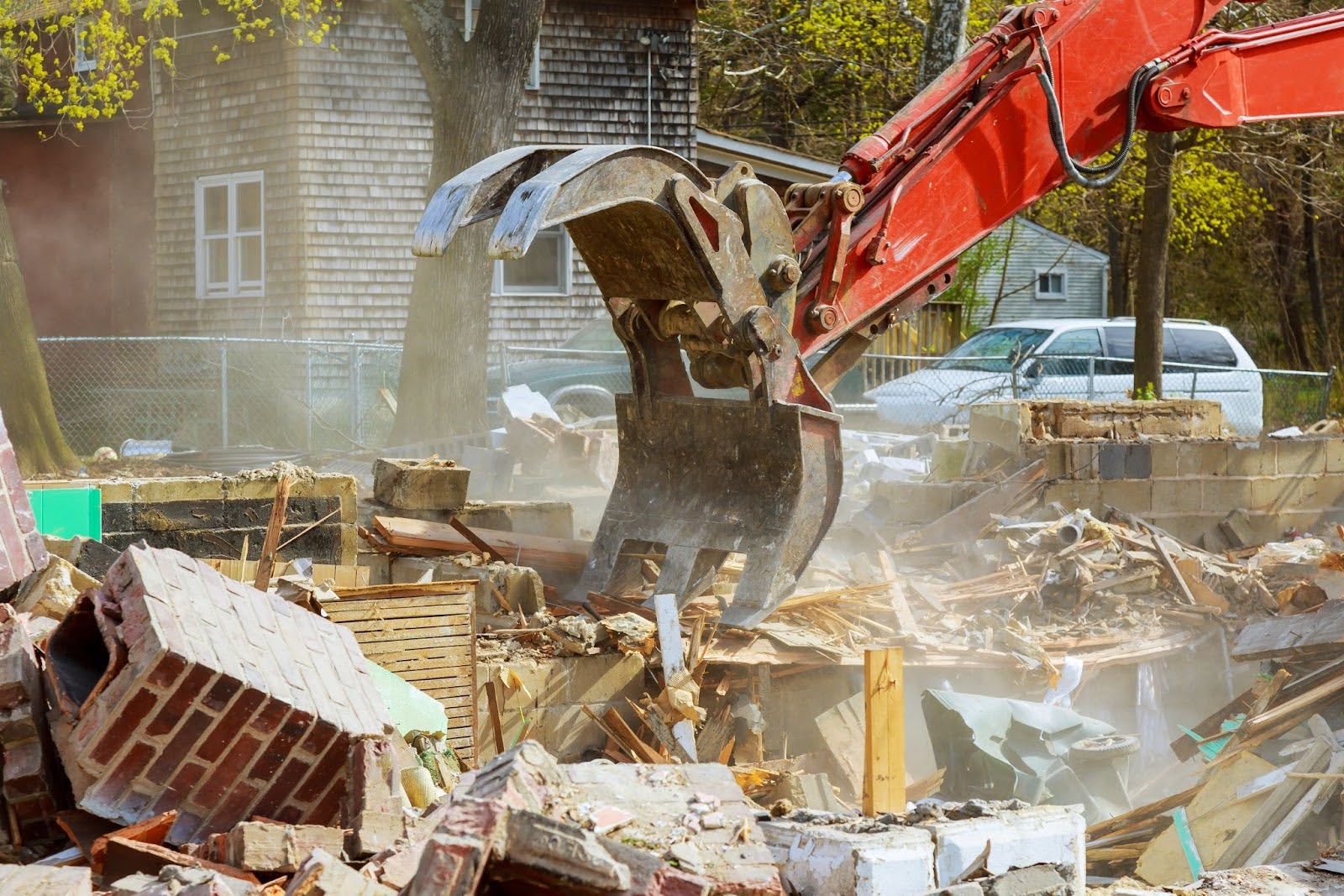
When a building stops serving its purpose or becomes unsafe, owners look for a path forward that is decisive, cost-aware, and compliant. Demolition services provide that reset—whether the goal is to remove hazards, prepare for new construction, or selectively strip interiors for a remodel. Understanding the most common reasons people hire a professional crew helps you plan with clarity, budget accurately, and avoid delays.
Safety Hazards That Make Demolition Services the Responsible Choice
Structural instability is the clearest signal that it is time to remove or reduce a building. Rot, termite damage, failing foundations, and long-ignored leaks can undermine load paths to the point where repairs are impractical or unsafe. When the building envelope cannot reliably protect occupants, demolition is often the most responsible option to eliminate risk and liability while making room for a safer replacement.
Code Violations and Compliance Issues Driving Demolition Services
Sometimes a structure has been altered over the years with non-permitted work, ad-hoc electrical lines, or conversions that never met standards. Bringing a tangled history up to current code can cost more than starting fresh. In these cases, demolition services let owners reset the site, obtain permits for clean, modern systems, and pass inspections without inheriting legacy problems.
Disaster Damage That Necessitates Demolition Services
Fires, floods, tornadoes, and earthquakes leave behind compromised framing, contaminated materials, and hidden hazards. Even if parts of a structure still stand, smoke, mold, and water intrusion can make salvage unrealistic. A controlled teardown or partial demo isolates unsafe sections, protects neighboring properties, and accelerates the path to rebuilding.
Fire-Damaged Structures
Charred framing and weakened connections can fail unexpectedly. Removal prevents collapse and speeds insurance-approved reconstruction.
Flood and Mold Contamination
Prolonged moisture breeds mold in walls and subfloors. Demolition clears affected materials so new assemblies can dry and perform.
Site Preparation for New Builds With Demolition Services
Before a new home, shop, or accessory dwelling unit can rise, the old needs to come down. Clearing structures, slabs, fences, and outbuildings streamlines grading and utility layout. Properly handled, demo also means salvaging reusable elements—brick, timbers, fixtures—so they can be donated or repurposed rather than landfilled.
Interior Renovations That Depend on Selective Demolition Services
Owners frequently keep the shell and remove interior partitions, ceilings, or finishes to create open plans, add natural light, or accommodate new mechanical systems. Selective demolition services target only what must go, protecting structural elements and utilities while exposing the spaces contractors need to work efficiently.
Layout Changes and Open Concepts
Removing non-load-bearing partitions unlocks flow. Careful, selective demo reveals where headers or posts are needed.
Systems Upgrades and Rough-Ins
Accessing walls and floors allows electricians and plumbers to route modern lines. Clean demo shortens the construction schedule.
Environmental Remediation Paired With Demolition Services
Older buildings may contain asbestos, lead paint, underground tanks, or contaminated soils. Abatement and remediation often happen alongside demolition to keep the site safe and compliant. Licensed teams isolate hazards, follow chain-of-custody documentation, and coordinate with inspectors so the property is ready for new use.
Property Value and Insurance Factors Behind Demolition Services
There are times when repairs will not produce a return. A severely distressed structure can depress surrounding value, attract trespassers, and raise premiums. Removing a derelict building improves curb appeal, simplifies underwriting, and allows owners to reinvest in improvements that actually add value—new construction, landscaping, or income-producing spaces.
Liability and Vacancy Risks
Empty, unsafe buildings invite accidents and vandalism. Prompt removal limits exposure and neighborhood complaints.
Clearer Path to Financing
Lenders favor projects with clean sites and well-defined scopes. Demo can unlock better terms for rebuilds or additions.
Access, Easements, and Right-of-Way Needs Requiring Demolition Services
Drive lanes, utility corridors, and drainage easements sometimes pass through aging sheds, garages, or additions. To meet access agreements or public works plans, owners may need to remove structures that encroach on a right-of-way. Demolition services coordinate around schedules, traffic control, and utility shutoffs to make compliance straightforward.
Outdated Industrial or Commercial Sites Calling for Demolition Services
Factories, warehouses, and retail buildings evolve quickly. When clear heights, loading, or code requirements change, retrofits may not pencil out. Strategic demolition—full or partial—returns the parcel to a flexible state so developers can deliver modern facilities with efficient footprints, energy-smart envelopes, and better circulation.
Additions and Expansions That Start With Demolition Services
Adding a wing, a second story, or a new garage often means removing obsolete porches, bump-outs, or detached structures. Selective removal aligns setbacks, corrects awkward transitions, and ensures the addition ties into sound framing. This front-loaded work prevents rework later and improves the final result.
Correcting Past Shortcuts
Old additions may sit on shallow footings or conflict with drainage. Removal clears the way for proper foundations and grading.
Aligning With Modern Loads
New spans, rooftop units, or solar arrays demand clean load paths. Demo helps engineers design with certainty.
Sustainability and Recycling Goals Supported by Demolition Services
Responsible demolition is not just about hauling debris. Many contractors separate metals, clean wood, concrete, and brick for recycling. Concrete can be crushed for base, steel is readily recycled, and architectural elements can be salvaged. Owners who prioritize diversion reduce landfill impact and may see cost benefits for clean, sorted loads.
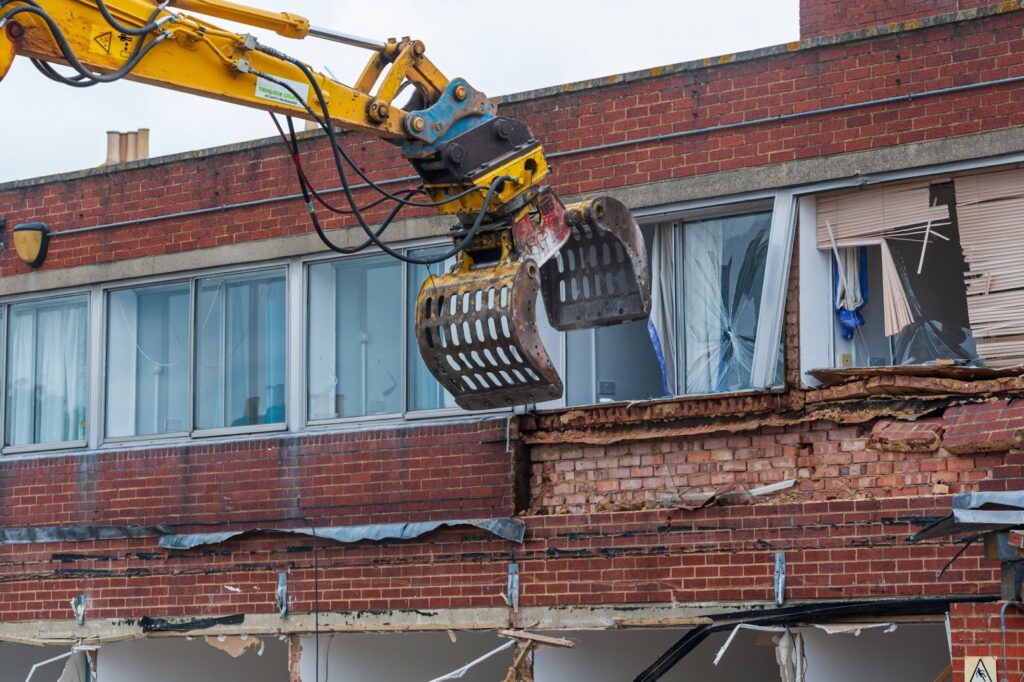
Planning Considerations Before Hiring Demolition Services
Successful projects begin with documentation and a clear scope: surveys, utility locates, permits, and an inventory of hazardous materials. Access routes, staging, and dust control plans protect neighbors and workers. Owners should request a written proposal that defines what is removed, how it will be disposed of, what is protected, and how the site will be left—graded, fenced, or ready for excavation.
Permits and Utility Coordination
Shutoffs, capping lines, and meter pulls are essential steps. Early coordination prevents dangerous surprises.
Site Protection and Communication
Fencing, signage, and neighbor notifications keep the area safe. Transparent schedules reduce complaints and delays.
Choosing the Right Team for Professional Demolition Services
Experience, licensing, and insurance matter. Look for a contractor who performs both structural and selective work, understands abatement coordination, and can document recycling. References and a detailed plan indicate you are partnering with a crew that values safety and communication as much as speed.
Visit our MALC Rentals blog to learn more about the value of demolition services.