
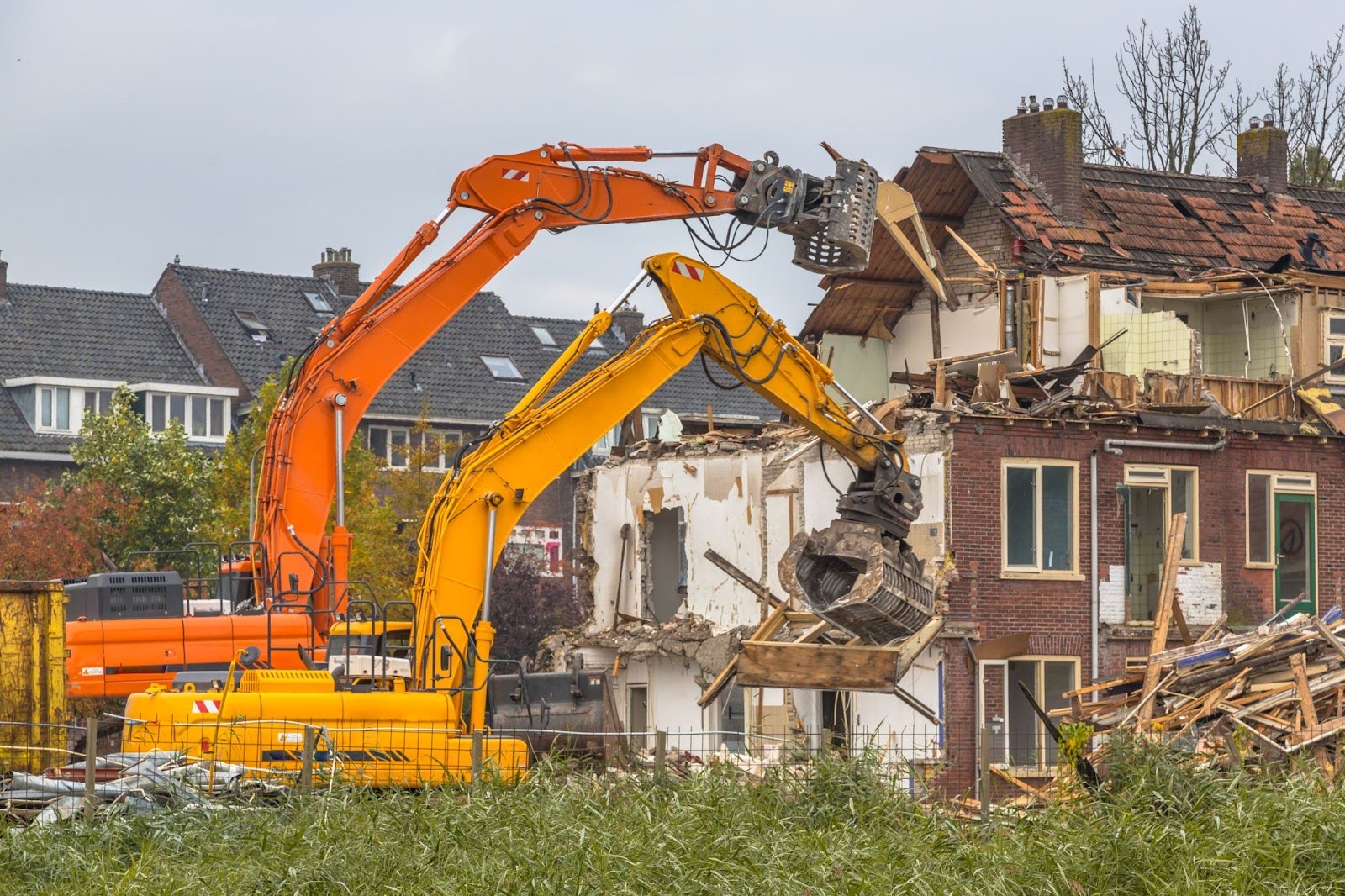
Construction and renovation projects often start with removing what’s already there, and that first step sets the tone for everything that follows. Demolitions may look straightforward from the outside, but the risks behind walls, under floors, and inside structural systems are rarely obvious. Hidden utilities, load-bearing elements, hazardous materials, and unstable debris can turn a “simple tear-out” into a serious safety event if the work is rushed or handled by untrained personnel. Professional demolitions focus on control—controlling the sequence, dust, debris, utilities, and site conditions—so the rest of the project can move forward safely. When demolition is done correctly, it protects workers, occupants, neighboring properties, and the budget.
Demolitions Create a Safer Starting Point by Reducing Unknowns
One of the biggest dangers in any project is uncertainty, and demolitions are where uncertainty is most concentrated. A professional team begins by identifying what can be removed safely, what needs support, and what must stay intact for the next phase. That planning reduces the chance of accidental structural damage, utility strikes, or debris-related injuries. It also helps avoid domino problems, where one mistake causes framing issues, uneven surfaces, or expensive rework later. When demolitions are carried out with precise evaluation and controlled execution, the job site becomes a safer environment from day one.
Why Demolitions Must Begin With Utility Control and Verification
Utilities are a significant hazard during removal work, especially when old renovations, outdated maps, or unmarked lines are involved. Professional demolitions include shutoff verification and careful checks for gas, electrical, plumbing, and data lines before any cutting or breaking begins. That reduces the likelihood of fires, flooding, shocks, or service outages that impact more than just the work area. Even small utility mistakes can delay a project for days and create costly repairs that were never in the original plan. Controlling utilities upfront is one of the clearest reasons trained professionals should handle demolitions.
Hidden Lines Are Common in Renovation Work
Past remodels can leave unexpected wiring, capped pipes, or rerouted lines in walls and ceilings. Demolitions done professionally account for those surprises before damage occurs.
Shutoffs Need Confirmation, Not Assumptions
Turning a valve or flipping a breaker is not the same as confirming the line is safe. Proper checks prevent incidents that can endanger people and property.
Demolitions Protect Structural Integrity Through Proper Sequencing
Removing the wrong material in the wrong order can compromise stability quickly, especially in older buildings or mixed-use spaces. Professional demolitions follow a sequence designed to maintain support, manage load paths, and prevent unintended movement in floors, ceilings, and framing. This matters for both full removals and selective interior tear-outs where adjacent spaces must remain intact. When sequencing is ignored, cracking, sagging, or shifting can later result in costly structural corrections. Proper demolitions protect the parts of the building that are supposed to remain, which keeps the renovation scope predictable.
Load-Bearing Components Require Skilled Judgment
Walls and supports are not always obvious, especially after multiple remodels. Demolitions handled professionally reduce the risk of removing something that was quietly doing critical work.
Controlled Removal Prevents Secondary Damage
A careful approach helps protect nearby finishes, framing, and slab edges. That protection reduces patchwork and keeps the following trades on schedule.
How Demolitions Reduce Dust, Debris, and Airborne Exposure Risks
Dust control is a safety issue, not just a cleanliness preference, and demolitions generate a lot of it. Professional crews use containment strategies, proper ventilation approaches, and cleanup procedures that reduce how far dust and debris travel through a property. This is especially important in occupied buildings, healthcare settings, offices, and homes, where air quality and contamination concerns are significant. Without controls, demolition dust can settle into HVAC systems, migrate into finished rooms, and create longer cleanup timelines. Professional demolitions keep the site healthier and reduce the risk of exposure-related complaints or setbacks.
Demolitions Are Essential for Handling Hazardous Materials Responsibly
Older structures may contain materials that require special handling, and demolitions are often the first moment those materials are disturbed. Professional teams know how to identify potential hazards, pause work when something looks wrong, and follow appropriate procedures instead of pushing forward blindly. This reduces risk to workers and occupants and helps keep the project compliant with safety expectations. Even when a job isn’t “hazardous” on paper, demolition can uncover unknown layers that change the plan. Professional demolitions are built around the reality that surprises happen, and safety comes first when they do.
Some Risks Aren’t Visible Until Removal Begins
Materials hidden behind walls or under flooring can’t always be confirmed from a quick walk-through. Demolitions managed professionally include a cautious, responsive approach when unexpected conditions appear.
Disposal Rules Matter as Much as Removal
Safe handling includes proper containment, transport, and disposal steps. Demolitions should account for what happens after materials leave the building, not only how they come out.
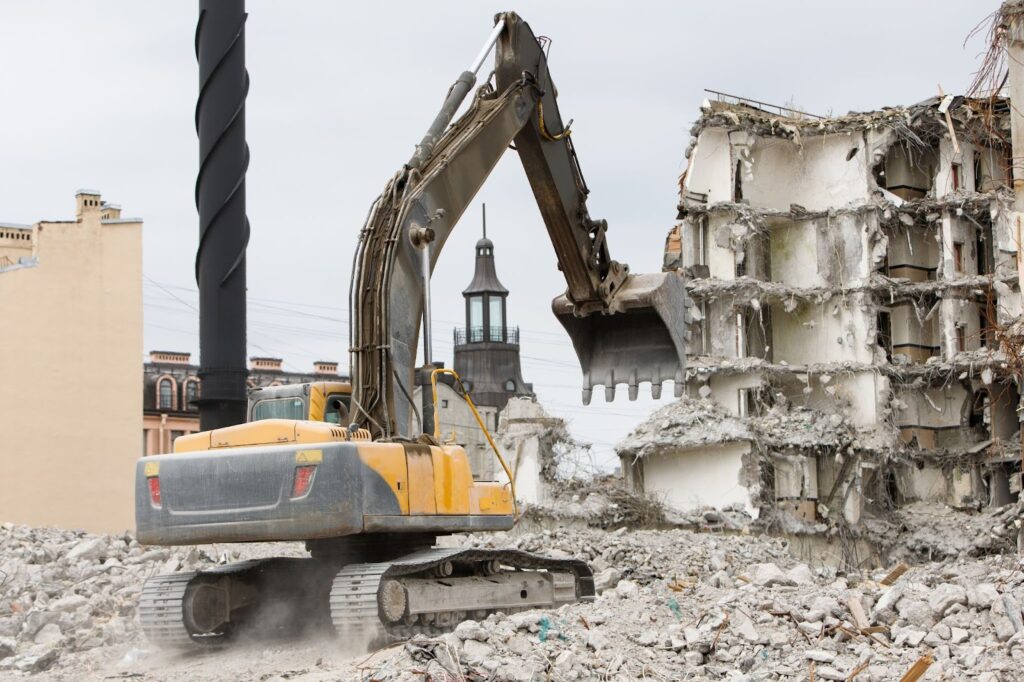
Why Demolitions Help Keep Schedules Predictable for Construction Teams
Projects run smoothly when the first phase is controlled, and demolitions are the phase that can either stabilize or derail the schedule. Professional demolition planning helps crews estimate timelines realistically, coordinate dumpsters and hauling, and stage work so trades can begin without waiting on cleanup. When demolition is disorganized, the job often gets stuck in a cycle of rework and re-cleaning, which delays every task that depends on a clean substrate. Professional demolitions reduce downtime because removal, hauling, and prep happen with a straightforward workflow. That predictability is valuable for contractors who need dependable handoffs between phases.
Demolitions Improve Safety by Supporting Clean, Navigable Job Sites
Trip hazards, sharp debris, unstable piles, and blocked walkways are common on poorly managed sites. Professional demolitions include active debris management to remove, contain, and clear materials in a way that keeps the work area navigable. That lowers injury risk and helps equipment move safely through the site. A cleaner demolition zone also reduces the chance of mistakes, because crews can see what they’re doing and access the right areas without stepping over hazards. When demolitions are treated as controlled work instead of chaotic tear-out, safety improves for everyone on the project.
Debris Control Reduces Injuries and Interruptions
When waste is managed consistently, there’s less chance of slips, punctures, and falls. Demolitions done professionally keep the work zone functional, not cluttered.
Clear Access Helps Work Stay Precise
If crews can reach work areas cleanly, they can remove materials with less accidental damage. That precision is a key difference between professional demolitions and rushed removal.
Demolitions Support Better Build Quality by Preparing Proper Surfaces
Renovations depend on what’s underneath the finishes, and demolitions expose those surfaces for the next phase. Professional crews remove materials cleanly so framing, subfloors, and slab surfaces are left in workable condition rather than torn up or uneven. That prep matters for tile, cabinetry, flooring, drywall, and waterproofing systems that rely on stable substrates. When demolition is rough, the next trades spend time correcting conditions that should never have been created in the first place. Professional demolitions protect build quality by setting up the project for clean installs and tighter results.
Demolitions Reduce Liability by Using the Right Equipment and Practices
Demolition work often requires specialized tools and procedures to handle heavy materials, navigate tight spaces, and account for structural considerations. Professional demolition relies on trained crews who understand how to operate equipment safely and protect surrounding property during removal. That reduces the chance of accidental damage to plumbing stacks, electrical runs, or structural elements that must remain. It also reduces the risk of injury claims arising from unsafe practices, poor containment, or improper handling of waste. When demolitions are handled professionally, the project is safer, the scope is more precise, and the liability exposure is lower.
Visit our MALC Rentals blog to learn more about the essential process of professional demolitions.