
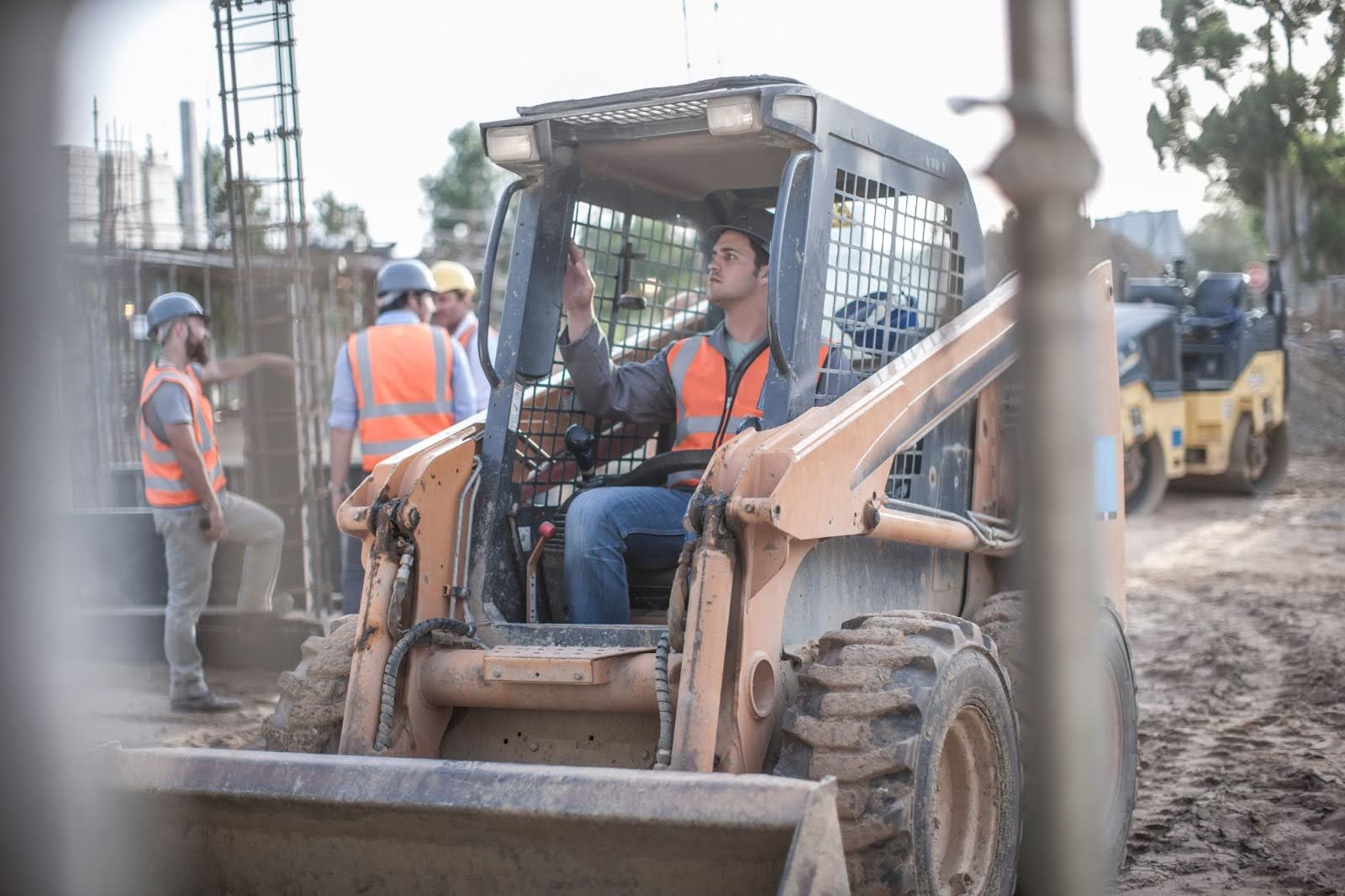
Landscaping requires a balance of precision, strength, and speed, and skid steer services are one of the most valuable methods for achieving that balance. Compact yet powerful, this piece of equipment can handle everything from grading and digging to hauling and leveling with far less labor than manual tools alone. Landscapers often rely on a skid steer because it allows them to complete multiple phases of a project without switching to larger machinery or overworking a crew. With the proper attachment, it becomes a versatile workhorse that adapts to each task instead of slowing down progress. When used strategically, a skid steer can significantly shorten project timelines and enhance the overall quality of the finished landscape.
Why Landscapers Depend on a Skid Steer for Daily Productivity
A skid steer offers a combination of strength and maneuverability that is hard to find in other compact machines. Landscapers can move materials, clear debris, and reshape the ground without needing a fleet of equipment or long setup times. Because the machine fits easily into tight spaces and residential yards, it opens up opportunities to work efficiently in areas where larger equipment would struggle. This flexibility allows crews to complete more work in less time, which leads to better scheduling, improved margins, and smoother job flow. When multiple projects are lined up, the speed and adaptability of a skid steer become even more valuable.
How a Skid Steer Handles Heavy Lifting and Material Movement
Landscaping often involves transporting soil, gravel, mulch, stone, or debris across a property, and doing this by hand is slow and exhausting. A skid steer significantly reduces that workload by carrying large loads in a single trip, eliminating repeated manual lifting. The machine’s bucket also makes it easy to unload materials exactly where they are needed, which keeps projects organized and reduces wasted energy. Whether a job requires clearing out old vegetation or bringing in fresh fill, a skid steer can streamline those steps while protecting workers from unnecessary strain. Over time, this efficiency boosts productivity and keeps the team fresher throughout long project days.
Faster Material Transport With a Skid Steer
Instead of hauling materials in small batches, crews can move heavy loads in seconds. This speed helps projects stay on schedule even when volumes are high.
Reducing Labor Strain on the Jobsite
By handling the bulk of the lifting, a skid steer minimizes physical wear on workers. Reduced fatigue often leads to fewer mistakes and safer project outcomes.
Using a Skid Steer to Improve Precision Grading and Site Prep
Before installing sod, pavers, or plant beds, a landscaping job requires careful grading to ensure proper drainage and long-term stability. A skid steer equipped with the appropriate attachment can create smooth, even surfaces faster and more accurately than manual tools. Operators can adjust the grade gradually in small passes, which leads to a cleaner final layout with fewer corrections. This level of control is essential in residential projects where slopes must be subtle yet functional. With consistent use, the skid steer helps crews deliver polished results without spending hours fine-tuning the ground by hand.
Creating Smooth, Even Surfaces
The machine’s ability to shave, level, and backdrag soil allows for tight control over terrain. This leads to more reliable foundations for patios, lawns, and garden features.
Supporting Proper Drainage Preparation
Accurate grading helps prevent water pooling and soil erosion. A skid steer can create those slopes quickly, reducing future maintenance issues for homeowners.
How a Skid Steer Speeds Up Soil Removal and Excavation Tasks
Digging and removing soil can be some of the most time-consuming portions of a landscaping project, especially when handled manually. With a skid steer, crews can excavate trenches, remove compacted soil, or clear out old landscaping features much faster. The machine’s hydraulic power enables efficient digging even in rugged terrain, which prevents delays and keeps projects on track. Beyond speed, a skid steer also improves accuracy because operators can control depth and spacing more precisely than with handheld tools. This consistent excavation quality supports better results during installation and reduces the chance of future settling issues.

The Role of Skid Steer Attachments in Expanding Job Capabilities
One of the reasons a skid steer is so popular in landscaping is the wide selection of attachments that can be swapped out quickly. Buckets, augers, pallet forks, trenchers, rakes, and landscape tillers are just a few options that expand the machine’s versatility. These attachments allow crews to complete multiple phases of a project without transporting different types of machinery to the site. This saves time on logistics and keeps the workflow uninterrupted, especially when projects involve varied tasks like digging holes, moving pallets of materials, or smoothing soil. The ability to transition smoothly between tasks is a key factor in boosting overall productivity.
Quick Attachment Changes for Efficient Workflow
Operators can switch attachments within minutes, keeping momentum strong throughout the day. This flexibility prevents downtime and keeps the project moving.
Maximizing the Machine’s Utility
With the right attachments, one skid steer can replace several specialized tools. This reduces clutter on the jobsite and streamlines equipment management.
Why a Skid Steer Improves Safety on Landscaping Projects
Safety is an essential part of every landscaping job, and a skid steer can significantly reduce the risk of injuries caused by heavy lifting or repetitive strain. By taking over the most physically demanding tasks, the machine protects workers from preventable fatigue and back strain. A skid steer also allows crews to stay clear of unstable or hazardous areas while the operator manages the work from within a protected cab. Because the machine is compact, it can maneuver safely through tight spaces without damaging property. These combined benefits make the jobsite safer and more manageable for everyone.
Minimizing Risk of Physical Strain
By handling lifting, carrying, and digging, the skid steer reduces repetitive motions that commonly lead to injury. Workers can focus on detailed tasks with less fatigue.
Increasing Control in Tight or Uneven Areas
The machine’s small frame and precise steering prevent unnecessary accidents. Operators can work close to structures or soft ground without compromising safety.
Choosing the Right Skid Steer for Landscaping Success
Selecting the correct skid steer depends on the size of your project, the scope of work, and the terrain. Compact models are ideal for tight residential yards, while larger models offer more power for commercial properties or heavy-duty excavation. It is also important to consider which attachments you will use most frequently, as this may influence the lift capacity and hydraulic flow you need. Speaking with equipment experts or rental professionals can help you find the right match for your workflow. Once you understand your needs, investing in a skid steer becomes a practical way to increase efficiency, improve results, and keep your crew working safely.
Visit the MALC Rentals blog to learn more about how skid steer improves efficiency on landscaping jobs.