
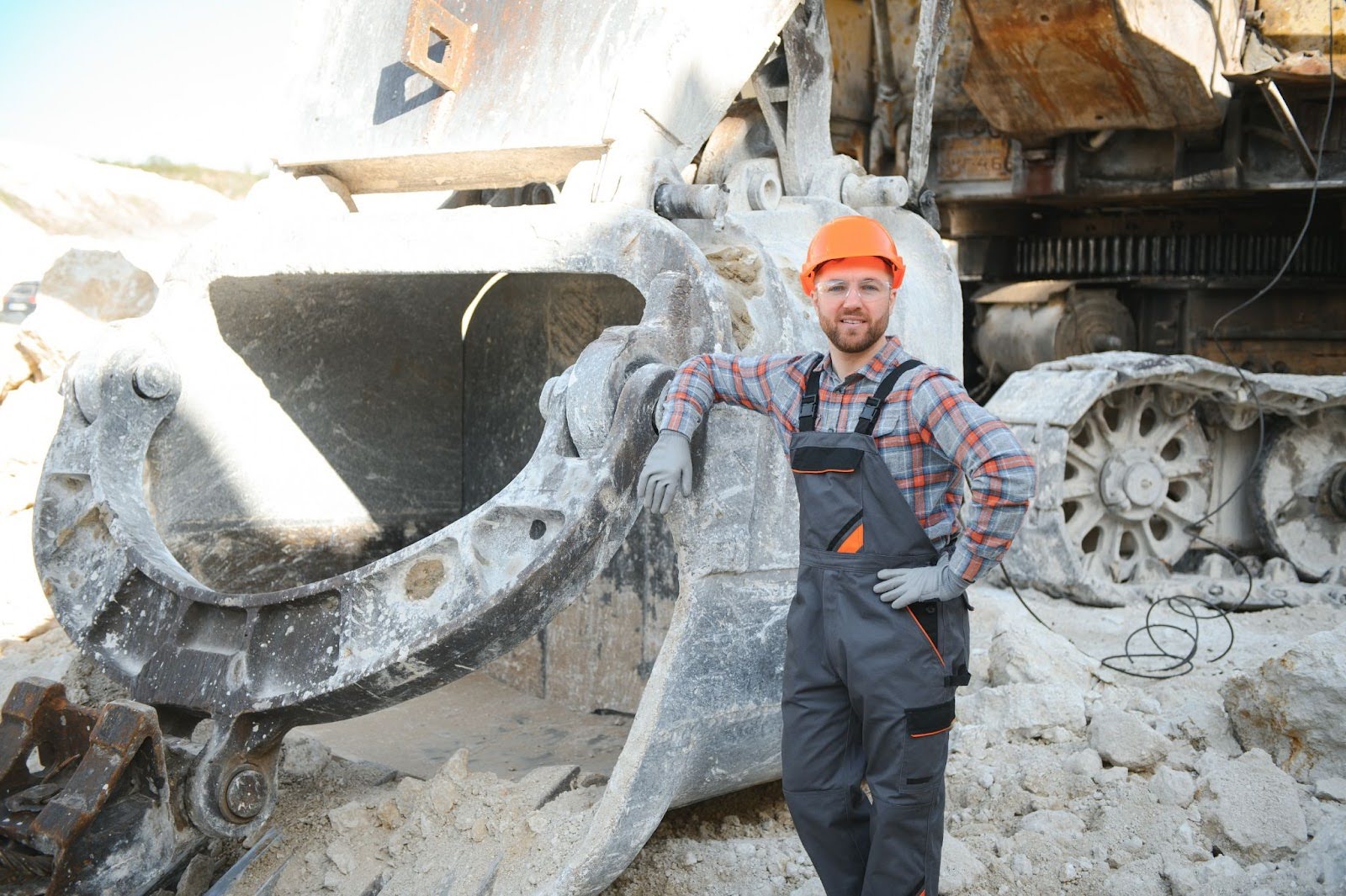
Demolition work might look straightforward from the outside, but taking down a structure safely is anything but simple. Behind each controlled collapse or carefully dismantled building is a team of demolition contractors who spend significant time planning, coordinating, and double-checking every step. They must protect workers, nearby properties, utilities, and the surrounding community while staying compliant with building codes and environmental regulations. That means assessing hidden hazards, choosing the right equipment, and following strict procedures long before the first wall comes down. Understanding how demolition contractors approach safety and compliance can help property owners feel more confident when hiring professionals for projects of any size.
How Demolition Contractors Begin With Thorough Site Assessments
Every safe demolition project starts with a detailed understanding of the structure and its surroundings. Demolition contractors walk the site, review existing plans, and identify potential risks such as unstable sections, nearby power lines, underground utilities, or neighboring buildings. They also look at access points for equipment, potential traffic conflicts, and areas where debris might fall or travel if not appropriately controlled. This early stage is where they determine whether the project calls for complete structural demolition, selective interior removal, or careful deconstruction. By gathering this information upfront, demolition contractors can create a plan that addresses risks proactively rather than react to surprises once work begins.
Why Demolition Contractors Build Detailed Safety Plans Before Work Starts
Once the site has been evaluated, demolition contractors transform those observations into a written safety plan. This plan outlines the sequence of operations, the equipment to be used, and the safety measures required for each stage of the project. It may include protocols for securing utilities, fall protection strategies, traffic control, and the setup of exclusion zones where only authorized personnel are allowed. The plan also defines communication methods so everyone on site knows how instructions and updates will be shared. By setting clear expectations before the first piece of material is removed, demolition contractors reduce confusion and create a shared roadmap that keeps the project moving smoothly and safely.
Sequencing Work To Minimize Risk
Careful planning around which sections are removed first helps maintain structural stability. Demolition crews follow this sequence to avoid unexpected collapses and unsafe conditions.
Communicating Safety Procedures To Every Crew Member
Toolbox talks and pre-shift briefings make sure workers understand the plan and their roles. Regular check-ins reinforce critical safety practices as conditions change.
How Demolition Contractors Handle Permits, Codes, and Regulatory Compliance
Compliance is a significant part of any demolition project, and demolition contractors are responsible for navigating layers of local, state, and federal requirements. Before work begins, they obtain necessary permits and approvals, which may involve submitting engineering reports, site plans, and disposal strategies. They also make sure the project follows applicable building codes, workplace safety regulations, and environmental rules related to dust, noise, and waste disposal. Staying current on these requirements helps avoid costly delays, fines, or stop-work orders. When demolition contractors treat compliance as a core part of their process rather than
an afterthought, clients benefit from a smoother project and fewer legal headaches later.
Coordinating With Inspectors and Local Authorities
Experienced demolition teams maintain open communication with building departments and inspectors. This cooperation helps address questions quickly and keeps the project aligned with regulatory expectations.
Documenting Compliance Throughout the Project
Accurate records of permits, inspections, and disposal receipts provide proof that the work met required standards. This documentation can be valuable for future construction or property transactions.
How Demolition Contractors Protect Workers and the Public On-Site
Demolition work presents obvious physical hazards, so protecting people is always a top priority. Demolition contractors enforce personal protective equipment requirements, such as hard hats, eye protection, high-visibility gear, and respiratory protection when needed. They establish clear boundaries around the work area with fencing, signage, and designated access points to keep unauthorized individuals away from danger. Within the site, they control equipment movement, enforce spotter use, and set rules for working at heights or near unstable structures. These layers of protection are designed to reduce the risk of falling debris, equipment incidents, and other avoidable accidents that could harm workers or bystanders.
Establishing Exclusion Zones Around Demolition Areas
Restricted zones keep people out of areas where debris could fall or where equipment is operating. These boundaries are adjusted as the structure changes and work progresses.
Enforcing Proper Use of Protective Equipment
Consistent PPE use reduces the severity of injuries if something goes wrong. Supervisors model safe behavior and address violations quickly to maintain a strong safety culture.
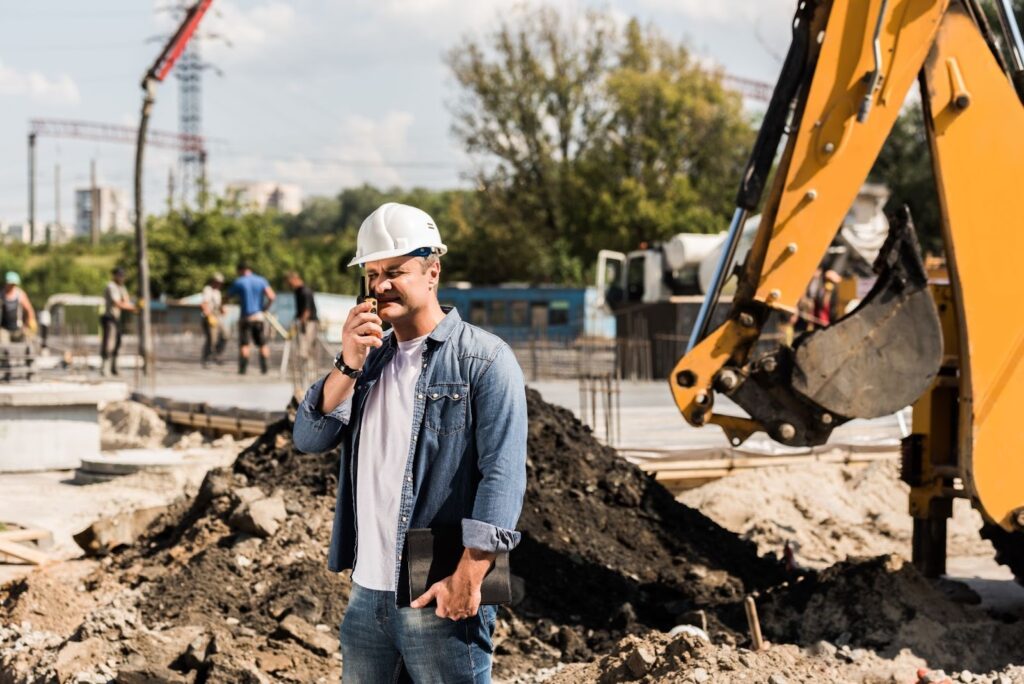
Environmental Controls Demolition Contractors Use During Projects
Taking down a structure can release dust, noise, and waste that affect the surrounding environment if not managed correctly. Demolition contractors use a range of controls, such as water sprays to limit airborne dust and noise-reduction practices when operating heavy machinery. They may schedule particularly disruptive activities for times that minimize impact on neighbors or nearby businesses. Containment measures help keep debris within the site instead of spreading onto sidewalks, roads, or adjacent properties. By planning environmental controls along with safety procedures, demolition contractors show respect for both regulations and community quality of life.
Managing Dust and Air Quality on Demolition Sites
Using water misting, sheeting, or other dust suppression techniques helps keep particles from traveling off-site. This protects workers and nearby residents from unnecessary exposure.
Controlling Noise and Vibration During Work
Contractors may choose specific equipment or adjust operating hours to reduce disruption. Monitoring vibration near sensitive structures helps prevent unintended damage.
How Demolition Contractors Address Hazardous Materials Safely
Older buildings may contain materials such as asbestos, lead-based paint, or other hazardous substances that cannot be treated like ordinary debris. Demolition contractors are trained to recognize these risks and follow appropriate regulations for testing, removal, and disposal. Before major demolition starts, specialized teams may perform abatement to remove or stabilize hazardous elements under controlled conditions. This step prevents dangerous fibers or particles from spreading as walls, ceilings, or flooring are disturbed. Proper handling protects workers, future occupants, and the wider environment, and it is a critical area where professional expertise is essential.
Identifying Potential Hazardous Materials Early
Reviewing building age, construction methods, and prior renovations can reveal where risks are likely to be hidden. When in doubt, contractors coordinate testing before proceeding.
Coordinating With Licensed Abatement Professionals
When regulations require specialized removal, demolition contractors bring in certified abatement teams. This collaboration ensures hazardous materials are handled in accordance with strict standards.
Selecting Demolition Contractors Who Prioritize Safety and Compliance
For property owners and builders, choosing the right team can make all the difference in how safe and compliant a demolition project feels. Signs of a reliable contractor include clear written proposals, evidence of licensing and insurance, and a willingness to explain their safety and compliance procedures. They should be open about their experience with similar projects and ready to answer questions about training, equipment, and waste handling. When demolition contractors treat safety planning, regulatory compliance, and communication as non-negotiable parts of the job, clients gain peace of mind along with a clean, ready-to-build site. Investing in that level of professionalism reduces risk and sets the stage for successful construction.
Visit the MALC Rentals blog to learn more about how demolition contractors ensure safety and code compliance.