
Gravel driveways offer a cost-effective surface that drains well and requires minimal upkeep compared to paved options. They’re easy to install, simple to maintain, and can handle regular traffic without constant repairs. Choosing the right gravel means more than picking what looks good because it affects how the driveway holds up over time and how much effort it takes to maintain. This guide helps property owners narrow down their options based on durability, appearance, and budget to create a driveway that fits both style and function.
Types of Gravel for Driveway Projects
Learning the different types of gravel for driveway projects gives you a solid guide in finding the best match for your needs. Each type has its texture, size, and purpose, and knowing how they perform helps you avoid wasting time and money. Some work better as base layers, while others are ideal for top surfaces that need to look clean and stay in place. Picking the right one means your driveway stays functional, stable, and easy to maintain.
Crushed Stone
Crushed stone has sharp, angular edges that lock together and create a firm, stable surface. Thus, it is one of the most common driveway choices. Depending on the size, it compacts well and can be used as a base and a top layer. It also handles heavy traffic better than smooth gravel types.
Pea Gravel
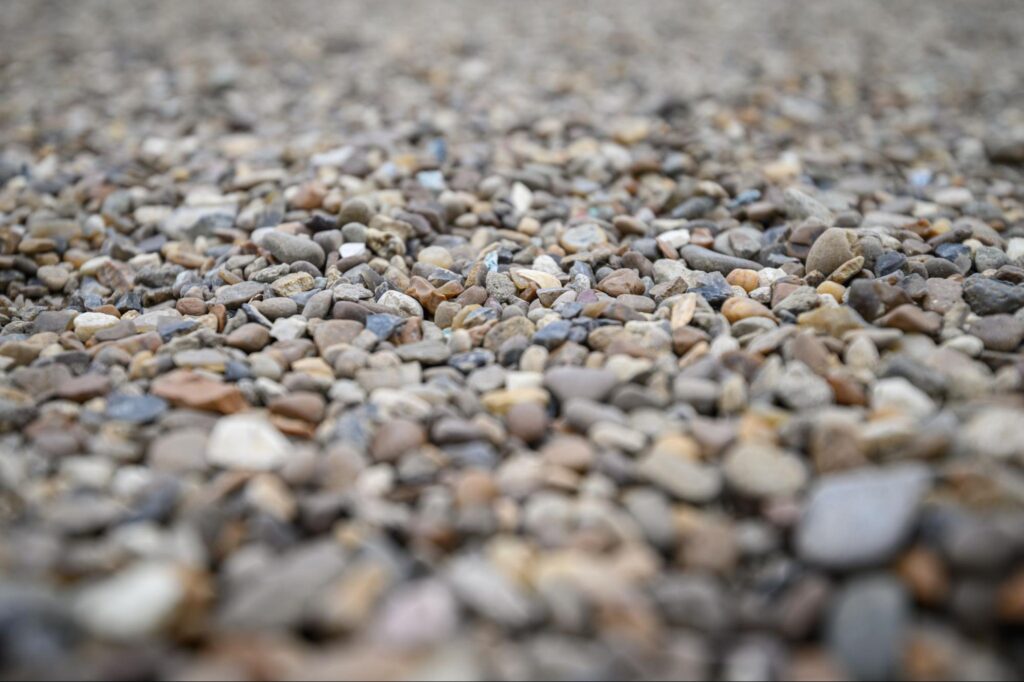
Pea gravel features small, rounded stones that feel smooth underfoot and offer a clean, decorative finish. It’s often chosen for appearance, but the rocks tend to shift if not properly edged. This type of gravel doesn’t compact like angular stones, which makes it less ideal for high-traffic driveways. Still, it adds great visual appeal in lighter-use areas.
Quarry Process (QP) or Crusher Run
The Quarry Process, or Crusher Run, blends crushed stone with stone dust for a tight, compact finish. It works best as a base layer, creating a solid foundation and preventing shifting. This mix holds its shape well under pressure and effectively supports top layers. It’s a practical choice for long-lasting driveway builds.
Jersey Shore Gravel
With its tan, gold, and white stones, Jersey Shore gravel has a beachy look. Its rounded texture is easier on tires but tends to scatter more than crushed stone. This type works best for decorative or low-traffic driveways. It adds color and style without looking too rough or industrial.
Marble Chips
Marble chips create a bright, clean surface and reflect sunlight, making the area appear cooler and more polished. These white stones are more expensive but deliver a high-end look. They’re better for driveways that don’t see constant heavy use. Their sharp edges also help them stay in place more than rounded gravel.
Item #4 or Recycled Gravel
Item #4 combines dirt, sand, and crushed stone to form a dense, compact base. Recycled gravel uses leftover materials and provides a budget-friendly alternative. Both types are often used underneath top layers to support the driveway structure. These options work well for large areas or temporary setups.
Gravel Choices for Driveway Base and Top Layers
Each driveway needs layers that work together—starting with a solid base and ending with a good surface that holds up under use. Picking the right gravel for each layer affects how stable, long-lasting, and easy the driveway will be to maintain. Larger stones at the bottom create structure and drainage, while smaller ones on top provide a smoother, cleaner finish. Choosing materials that serve their purpose in each layer keeps the surface firm, safe, and neat. Proper gravel layering helps reduce shifting, erosion, and constant maintenance.
Base Layer: Three-Inch to Four-Inch Stones
Large crushed stones in this size range form the foundation that supports the driveway. The size creates space between stones, which helps water drain and keeps the layer from compacting too tightly. It prevents issues like pooling and frost heave. The uneven surface also locks into the next layer above it for a better hold. This base should always be deep enough to handle the weight without shifting.
Middle Layer: One-Inch to Two-Inch Stones
This layer bridges the gap between the large foundation stones and the finer top layer. These medium-sized stones improve overall compaction and provide better structure for the surface above. Their angular shape keeps them from sliding around under pressure. A strong middle layer reduces the need for frequent touch-ups or regrading. It also helps create a gradual transition for smoother top layers.
Top Layer: Three-Eighths to Three-Quarter-Inch Stones
Small gravel in this range finishes the surface and gives the driveway its final appearance. These stones are easier to walk on and drive on without sinking or scattering too much. Their size allows some drainage but keeps the top layer smooth and level. Crushed options are better than rounded ones for grip and stability. A compacted top layer also prevents dirt buildup and weed growth.
Smart Gravel Combinations for Driveway Projects
Mixing the right gravel types creates a driveway that performs well and looks good for the long haul. Each layer serves a purpose, and combining specific materials helps maintain the surface’s stability, ease of maintenance, and suitability for your needs. Some combos are budget-friendly, while others focus on appearance or durability. Picking a setup that fits the driveway’s use helps avoid early damage or constant fixes. These combinations offer solid starting points depending on your goals and budget:
Budget-Friendly Combo
Use recycled gravel or Item #4 as the base to reduce material costs without compromising support. Add a middle layer of one-inch crushed stones to help with structure and compaction. For the top layer, go with three-fourth-inch crushed stone to create a surface that handles weight and stays in place. This combo keeps costs low while still offering decent performance. It’s ideal for driveways without constant traffic but needing a dependable surface.
Low-Maintenance Setup
Start with a compacted crusher run base to lock in the bottom layer and stop shifting. Add a middle layer of #57 gravel to improve drainage and load support. Finish with #8 crushed stone on top for a smooth, stable surface that’s easy to rake or repair. This setup holds up under frequent use without constant touch-ups. It’s best for those who want less hassle in the long run.
High-End Look
Lay down a base of Quarry Process to build a solid foundation with excellent compaction. Use a clean, crushed stone middle layer to maintain support and level the area. Top it off with white marble chips or colored pea gravel to boost curb appeal. This setup works for properties that value appearance just as much as performance. Maintenance may take more effort, but the visual result stands out.
Choosing the Right Gravel for Driveway Needs
Picking gravel isn’t just about what looks good—it also depends on how the driveway will be used, the local climate, your budget, and how much effort you’re willing to put into upkeep. Gravel types perform differently depending on these factors, so the correct choice balances function, style, and maintenance. Skipping these steps can lead to constant repairs, uneven surfaces, or wasted money. Taking the time to weigh each factor helps you avoid issues later and build a driveway that lasts.
Check Drainage and Water Flow
Gravel must allow water to move through the surface without pooling. Poor drainage leads to mud, erosion, and a bumpy driveway. A mix of large and small stones helps water filter through while keeping everything stable. Picking gravel that supports drainage helps avoid early wear.
Think About Climate and Weather
Cold climates require gravel that withstands freeze-thaw cycles without shifting or cracking. Dry, dusty areas benefit from gravel that stays in place and doesn’t kick up too much dust. Rounded stones scatter more efficiently, especially after snow or heavy rain. Angular gravel offers better grip and stays tighter in place.
Set a Budget and Plan for Lifespan
Some gravel types cost less upfront but require more frequent topping off. Higher-priced options may hold their shape longer with less maintenance. Planning helps you avoid constant fixes or unexpected costs. A good combo of materials can also stretch your budget further.
Consider Maintenance and Upkeep
Driveways with loose, lightweight gravel will need more raking and filling. Edging helps keep gravel contained, but not all types respond the same way. Choosing gravel that compacts well saves effort in the long term. Low-maintenance options still need occasional work, but less often.
Match Style to Property Aesthetic
Gravel comes in different colors, shapes, and finishes that match modern, rustic, or classic designs. Lighter tones like marble chips brighten the space, while darker crushed stone blends in. Smooth gravel looks polished but may shift more than rougher types. A driveway that fits your property’s look adds to curb appeal without sacrificing function.
Match Gravel to Driveway Use for Lasting Results
The choice of gravel should reflect how the driveway is used daily and how it complements the property’s overall look. Some gravel types handle constant traffic without shifting, while others bring more visual appeal to lighter-use areas. Balancing durability with curb appeal helps you avoid early repairs and keeps the surface looking sharp. A good mix of function and style also saves money by reducing maintenance over time. Matching gravel to real-world use is the best way to get lasting value out of your driveway.
Make better decisions on gravel for driveway work through the MALC Rentals blog.