
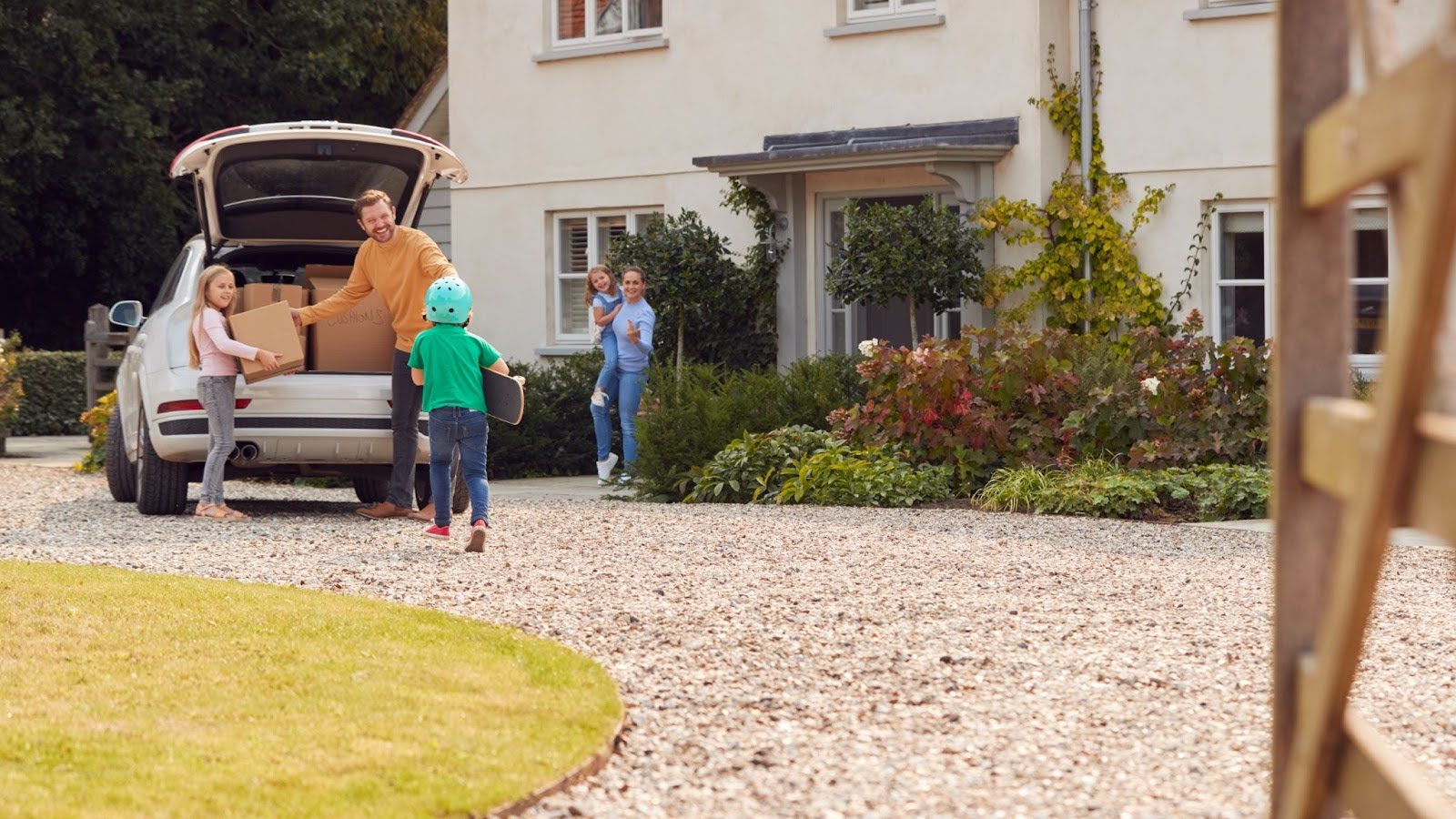
Some home upgrades speak louder than others, and your driveway is one of them. It’s the first impression guests see and your family’s everyday path. That’s why homeowners want a driveway that doesn’t just look good but holds up, adapts, and fits within a smart budget. Gravel has quietly remained the go-to choice for all the right reasons: price, performance, and long-term flexibility that other surfaces can’t match.
What Makes Gravel a Practical Driveway Material
Gravel is a loose aggregation of small stones, typically from fine pebbles to larger crushed rock. It’s often sourced from natural riverbeds, quarries, or recycled concrete, and is used in layers to create a stable, compact surface. For driveways, gravel is a durable and permeable option that easily handles vehicle traffic, weather shifts, and water runoff. Its composition allows for drainage, flexibility, and easy maintenance—all without complex installation. Gravel’s raw, natural look also complements a wide range of home styles, making it functional and visually appealing.
Why More Homeowners Are Choosing Gravel Driveways
Gravel driveways continue to stand out in a crowded market of surface options. Homeowners aren’t choosing them for cost alone; they value the flexibility, visual appeal, and low maintenance these driveways offer. Unlike rigid surfaces that can crack or shift, gravel driveways adapt naturally to the property’s layout and conditions. Their rising popularity comes from function, style, and long-term practicality.
A Cost-Effective Surface from Day One
Gravel remains one of the most affordable surface materials available. The low upfront price, easy installation, and wide availability keep it within reach for nearly every homeowner. Unlike solid-surface options, it doesn’t need curing, setting, or sealing. Labor costs drop significantly, and you can often skip heavy machinery altogether. That makes it ideal for everything from small suburban driveways to long rural roads. The savings start immediately and continue over time.
Lower Labor and Material Costs
Gravel installation skips complex steps like framing or paving. It takes a simple base, proper grading, and layering. The work can often be done over a weekend with minimal tools, cutting labor time and overall cost. Even for larger properties, this cost difference is substantial. You get reliable access without overspending.
There’s Room to Expand and Adapt Over Time
A home needs change, and gravel can change with it. Need to add parking or widen your driveway? Gravel allows expansion without expensive demolition. You can easily shift layouts, add curves, or build out entry points. It is beneficial for growing families or evolving property layouts. Flexibility is built in.
Fewer Weather Delays During Installation
Because gravel doesn’t depend on specific temperature or drying times, weather is less of a concern. Rain, cold, or humidity won’t halt your project. It gives homeowners more freedom to plan their upgrades. You won’t be at the mercy of forecast windows. That means fewer project delays and faster completion.
A Natural Look That Enhances Any Home
Gravel isn’t just about savings; it also upgrades curb appeal. Its color range, texture, and rustic finish create a warm and welcoming visual tone. Gravel doesn’t look artificial; it complements your home and surroundings. Whether your aesthetic is classic or contemporary, there’s a gravel type that fits. It’s grounded and never overpowering.
Matches a Wide Range of Home Styles
From cabins to contemporary builds, gravel fits in naturally. It doesn’t overwhelm the setting, and its neutral palette keeps attention where it belongs on the home. Gravel works exceptionally well in wooded, rural, or landscaped areas. It blends into the surroundings instead of clashing with them. And it suits both traditional and modern architecture. That versatility is hard to beat.
Options in Color, Size, and Texture
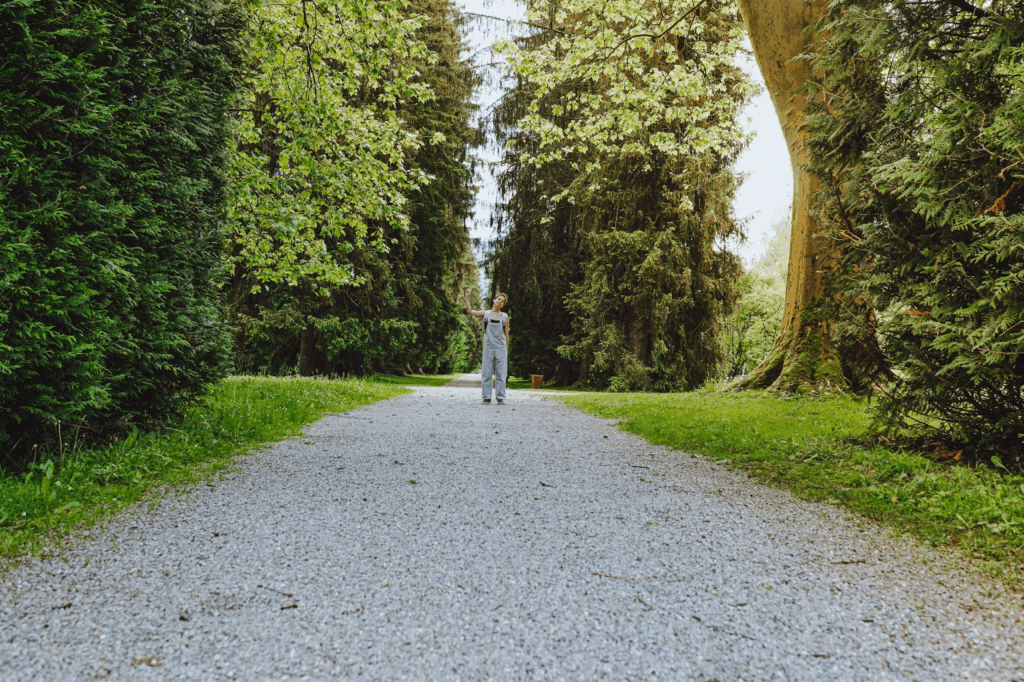
Gravel comes in more than one look. Choose from crushed limestone, pea gravel, river rock, or granite. Each offers a distinct feel and color, from soft beige to bold red or cool slate gray. It lets homeowners match or contrast their driveway with their home’s exterior. It’s a subtle but powerful design upgrade. Texture and tone bring the surface to life.
Hides Minor Wear Without Looking Aged
Unlike pavement, gravel doesn’t show every stain or blemish. Oil spills blend into the earth-toned surface. Fading, cracking, and chipping aren’t issues here. Even as it weathers, gravel tends to look better with time. Minor imperfections blend in rather than stand out. That’s one less thing to worry about in the long term.
Easy Upkeep Without Professional Dependence
Gravel maintenance is low-effort and inexpensive. Minor touch-ups can be done quickly without contractors or costly equipment. The surface adjusts with use and can be refreshed without starting over. Compared to pavement, the difference in long-term maintenance is clear. You’re not locked into recurring service cycles. Control stays with the homeowner..
Quick Fixes With Minimal Tools
A shovel, rake, and some new gravel go a long way. Ruts and dips can be repaired in minutes. You don’t need a crew or permits. It’s perfect for those who like to handle property issues themselves. That kind of independence makes upkeep less stressful. And far more affordable.
Built-In Drainage that Prevents Water Damage
Because gravel is porous, water flows through it instead of pooling. It stops runoff issues that plague paved driveways, keeping soil healthier and property better protected. During heavy rain, gravel performs naturally. It protects not only the surface but also the landscaping around it. Better drainage means fewer long-term problems.
No Sealing or Surface Coating Needed
Sealing with concrete or asphalt is required every few years—gravel doesn’t. A top-off layer each season is often enough to keep things looking sharp. It’s a faster process with no downtime. Maintenance becomes a routine part of home care, not a headache. Simplicity makes it easier to stay consistent.
Flexible Enough to Evolve With Your Needs
One of gravel’s strengths is how easily it adjusts. Need to redesign your driveway? Add a carport? Change the layout after building an addition? No problem. Gravel can be moved, reworked, and reshaped without tearing up the entire area. It grows with you.
Ideal for Temporary or Transitional Layouts
If your home plans aren’t, gravel gives you time. It works well while building, renovating, or rethinking landscaping. There’s no shame in changing your mind later. You don’t want to pour something permanent too soon. That kind of freedom is rare in home upgrades. Gravel lets you plan, try, and revise.
Regrading Restores a Fresh, Level Surface
Even with wear, gravel is easy to reset. Regrading brings the surface back to life in hours. You can fill in gaps, flatten high spots, and restore flow. It’s not structural. You control how the driveway looks and feels, which is harder to do with rigid materials.
An Environmentally Conscious Surface Choice
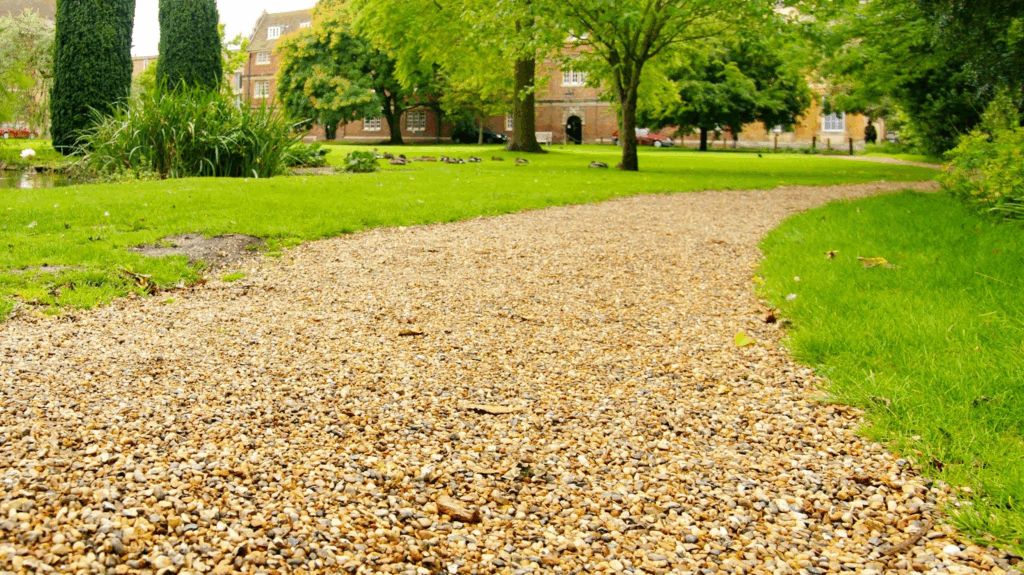
Gravel driveways support sustainable landscaping practices. They reduce runoff, heat retention, and material waste. Many types of gravel come from recycled or local sources. For homeowners focused on greener upgrades, gravel checks several boxes. It’s a driveway option that respects the land it sits on.
Encourages Better Rainwater Absorption
Impermeable surfaces push water into streets, drains, or yards. Gravel lets it sink into the soil below, helping prevent flash flooding or erosion around the driveway. It’s a better system for managing stormwater on your property. Your plants, trees, and garden beds will benefit, and you will avoid common water damage issues.
Sourced Locally and Sometimes Recycled
Many gravel suppliers use nearby quarries or recycled materials to shorten the supply chain and lower emissions. You also get a product that’s designed for your local climate. Some options include reusing crushed concrete, stone, or brick, keeping them out of landfills. That gives gravel another point in the sustainability column. It’s a tough choice with a significant impact.
Doesn’t Heat Like Asphalt
Paved driveways often become heat traps during summer. Gravel reflects more sunlight and holds less heat. That keeps the surrounding areas cooler and more comfortable. It also protects grass, mulch, and garden borders from drying out. Cooler driveways can mean cooler homes, too. That’s when managing energy costs.
Proven to Perform in Diverse Climates
From snow-packed winters to blazing summers, gravel delivers steady results. It doesn’t suffer from freeze-thaw cracking or summer soft spots. It’s resilient and low-risk regardless of the season. This kind of versatility is why it remains a homeowner favorite. Weather can change, but gravel stays strong.
Handles Snow, Ice, and Cold Temperatures
Unlike pavement, gravel doesn’t freeze when the ground freezes. Water drains through instead of getting trapped underneath, preventing the heaving and cracking seen in concrete. Even snow removal is easier with a stable gravel base. It’s stable, under pressure, and consistent year-round, making it ideal for colder climates.
Moves With the Soil Instead of Fighting It
Soil shifts naturally, especially in clay-heavy or flood-prone regions. Gravel adjusts to those changes instead of resisting them. It won’t under pressure or cause surface instability, reducing the need for costly rework or reinforcements. A flexible surface leads to fewer repair headaches. It’s practical where solid surfaces fail.
A Hands-On Option for DIY-Minded Homeowners
Gravel invites hands-on improvements without high risk. Many homeowners install, repair, and rework their driveways themselves. It’s a confidence-builder and a money-saver. You don’t need specialized training; you just need a plan and basic tools. It’s perfect for those who want to be more self-reliant with their home projects.
Beginner-Friendly Installation Process
With some guidance, you can install a gravel driveway over a weekend. It starts with clearing the space, grading the base, and layering materials. There’s no waiting period for curing or setting, and no expensive equipment is required. For homeowners who enjoy physical projects, this one pays off immediately. The effort goes straight into property value.
H4: Light Ongoing Maintenance for Years
Driveway care becomes routine instead of reactive. You can refresh the surface, repair trouble spots, or reshape edges. It’s manageable without calling in outside help. That lowers long-term costs while keeping the surface looking great. The best part? You decide when and how to do the work. That’s freedom most surfaces don’t allow.
Step Into a Better Surface With a Gravel Driveway
A driveway shouldn’t demand more than it gives. Gravel offers durability without complexity, beauty without high cost, and adaptability without compromise. It’s a solution built for real life, whether you’re expanding, upgrading, or starting fresh. Every layer adds value that lasts and flexibility that you can control. If you want a surface that meets your standards without draining your budget, gravel proves its worth from the ground up.
There’s more beneath the surface. Visit the MALC Rentals blog for grounded advice on driveways and beyond.