

Demolition is a critical component of construction and renovation projects, as it involves the safe removal of structures to make way for new developments or remodels. The process can be complex and risky, with potential hazards like structural instability, exposure to hazardous materials, and unexpected challenges that require careful handling. Hiring a professional demolition contractor ensures safe and efficient work that complies with regulations and facilitates a smooth project transition.
What is a Demolition Contractor?
A demolition contractor is a licensed professional or company responsible for safely removing structures during construction or renovation projects. They handle the entire process, from planning and obtaining necessary permits to safely dismantling or tearing down structures. Demolition contractors possess the expertise to assess the scope of the demolition, determine the most effective techniques for removal, and ensure that all safety protocols and environmental guidelines are adhered to.
Demolition Contractors’ Responsibilities
Demolition contractors have a range of critical duties to ensure that demolition projects are carried out safely and effectively. They oversee all stages of the demolition process, from initial assessments to site clean-up. The following are the key responsibilities they manage throughout the project.:
Site Assessment and Planning
Demolition contractors begin by assessing the site to determine the project’s scope. They evaluate the structure’s condition, identify any hazardous materials, and establish safety protocols. A detailed plan is developed, outlining the demolition process, required equipment, and safety measures. This thorough planning helps ensure the demolition is done efficiently while minimizing risks to workers and the environment.
Obtaining Permits and Ensuring Compliance
One of the primary responsibilities of a demolition contractor is obtaining the necessary permits before starting the project. The contractor meets all legal requirements, including local building codes and safety regulations. The contractor also manages inspections to confirm that the demolition meets environmental and safety standards. By staying up-to-date with regulations, they help avoid fines or delays due to non-compliance.
Managing Safety Protocols
Demolition sites pose various risks; thus, safety is a top priority for demolition contractors. Falling debris and exposure to hazardous materials are among the potential dangers on many sites if safety protocols are not followed properly. Contractors implement safety protocols to protect workers and the public, ensuring the proper use of personal protective equipment (PPE) and machinery. Regular site inspections are conducted to identify potential hazards and address them promptly. The contractor also trains workers on emergency response procedures to effectively handle accidents or unexpected events.
Waste Management and Recycling
Safety also covers the environment. Demolition contractors are responsible for managing waste and ensuring proper debris disposal. They sort materials to recycle valuable resources like metals, concrete, and wood, reducing the demolition process’s environmental impact. Using efficient waste management practices minimizes landfill waste and promotes sustainability. The contractor ensures that all hazardous materials, such as asbestos or lead, are disposed of safely and in compliance with regulations.
Key Reasons to Hire a Professional Demolition Contractor
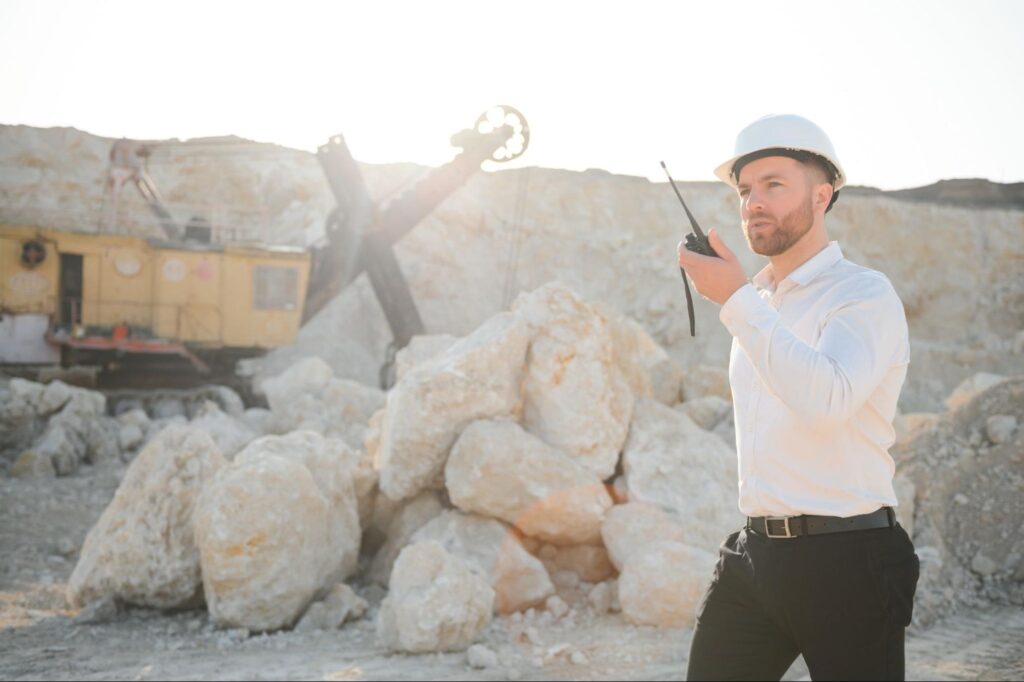
Hiring a professional demolition contractor offers several advantages crucial for a successful and safe demolition project. You can save time, reduce costs, and manage unforeseen challenges. Their expertise, adherence to regulations, and ability to handle complex tasks make them an indispensable part of any demolition effort.
Expertise and Experience
A professional demolition contractor brings specialized knowledge and years of experience to the table, ensuring that the demolition process is carried out correctly. They are trained to assess and handle various residential, commercial, or industrial structures. With their expertise, they can determine the most effective demolition methods, ensuring a safe and efficient process. Their experience also allows them to anticipate potential issues and plan accordingly, reducing the likelihood of mistakes or delays.
Proper Equipment and Technology
Demolition contractors have access to the latest equipment and technology to conduct demolition safely and efficiently. They use heavy machinery, such as excavators and wrecking balls, designed for specific demolition tasks, making the work faster and more precise. In addition to machinery, they employ advanced technology to monitor and assess the structural integrity of buildings before proceeding with demolition. This specialized equipment and technology help avoid complications and ensure the demolition is done correctly.
Compliance With Safety Regulations
Demolition projects are subject to strict safety regulations due to the high-risk nature of the work. A professional demolition contractor knows local laws, building codes, and safety protocols. They are responsible for obtaining necessary permits and ensuring compliance with environmental regulations, which can prevent costly fines or legal issues. By adhering to safety standards, they mitigate risks such as structural collapse, hazardous material exposure, and accidents, ensuring the safety of workers, the public, and surrounding property.
Cost and Time Efficiency
Hiring a professional demolition contractor may be costly, but it can save money in the long run. Professionals have the experience to complete the job quickly and correctly, reducing delays and mistakes that could lead to extra expenses. They also have access to the right equipment, which helps streamline the process and prevent inefficiencies. A professional demolition contractor ensures the project is completed on time, allowing other phases of the construction or renovation to proceed without delay.
Projects Requiring Demolition Contractors
Demolition contractors handle complicated safety duties in construction, renovation, and redevelopment projects. Their expertise ensures that demolition is conducted safely, efficiently, and in full compliance with all relevant regulations. Some construction projects strictly require the expertise of a professional demolition contractor.
Complete Building Demolition
Complete building demolitions involve the removal of entire structures, whether residential, commercial, or industrial. These projects require careful planning, equipment, and expertise to safely dismantle the building without harming surrounding structures. A demolition contractor manages the entire process, from obtaining permits to ensuring proper material disposal. This type of demolition can involve heavy machinery and specialized techniques to prevent accidents and minimize disruptions.
Renovations and Remodels
When renovating or remodeling a property, parts of the building often need to be torn down or removed to make way for new designs. These include walls, floors, ceilings, or outdated plumbing and electrical systems. A demolition contractor ensures these elements are removed without damaging the rest of the property. Their expertise is crucial in navigating the complexities of selective demolition while maintaining structural integrity in other parts of the building.
Site Redevelopment and Urban Renewal
Urban renewal and site redevelopment projects often require demolishing old, deteriorating structures to make space for new construction, such as shopping centers, office buildings, or residential complexes. These projects are usually large-scale and can involve multiple buildings or entire blocks. A demolition contractor is essential in clearing the site while ensuring the surrounding area is protected from debris and hazards. Their expertise in handling complex demolitions makes these large projects more efficient and secure.
Hazardous Material Removal
Specific demolition projects, especially those involving older buildings, may require the removal of hazardous materials like asbestos, lead, or mold. A professional demolition contractor is trained to identify these dangers and take appropriate safety precautions. They ensure all hazardous materials are safely removed and disposed of, following environmental and legal regulations. Specialized equipment and safety protocols are essential in these projects to protect workers and prevent contamination.
Industrial Demolition
Industrial demolitions are typically more complex due to heavy machinery, specialized systems, and potentially hazardous materials. A demolition contractor is needed to manage the heavy lifting, equipment handling, and safety procedures when dismantling factories, warehouses, or power plants. These projects also often require coordination with other contractors for environmental clean-up or recycling, adding another layer of complexity to the job.
Infrastructure Demolition
Infrastructure demolition projects can include the removal of bridges, highways, tunnels, and other large-scale infrastructure. These projects often involve intricate planning, as the structures are typically integrated into larger transportation systems. A demolition contractor must ensure the demolition process does not disrupt essential services while adhering to stringent safety and environmental standards. Specialized techniques and heavy equipment are typically used in these high-risk projects to ensure efficiency and minimize impact on surrounding areas.
Fire-Damaged Building Demolition
Buildings severely damaged by fire often require demolition to remove dangerous debris, unstable walls, or compromised structural elements. A demolition contractor can assess the damage and safely demolish parts of the building that pose a risk to workers and others. This type of demolition often requires a rapid response to secure the site and begin rebuilding. Contractors also clean up hazardous materials, ensuring the site is safe for future construction.
Residential Property Demolition
In some cases, residential properties may need to be demolished due to age, deterioration, or changes in zoning regulations. A demolition contractor ensures that the job is completed with minimal disruption to the surrounding community, facilitating land development or making way for new residential units. Contractors handle proper waste disposal, recycling of materials, and safety throughout the demolition process. Even smaller-scale demolitions require careful planning and adherence to local regulations.
Collaborate With a Professional Demolition Contractor
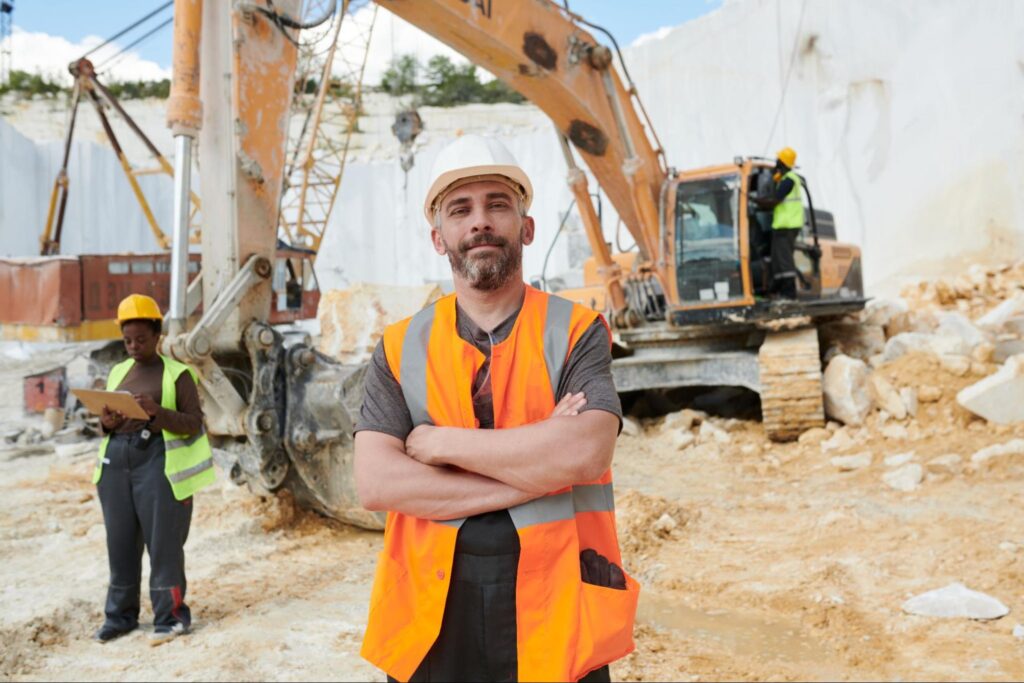
Collaborating with a professional demolition contractor ensures your project is handled safely, efficiently, and fully compliant with regulations. Their expertise, advanced equipment, and experience in managing unforeseen challenges provide invaluable support, preventing costly mistakes and delays. A professional contractor guarantees a smooth and safe process for residential and large-scale industrial demolitions, addressing unexpected issues while maintaining the project’s integrity.
Need a demolition contractor? Visit the MALC Rentals blog for guidance on finding professional services..