
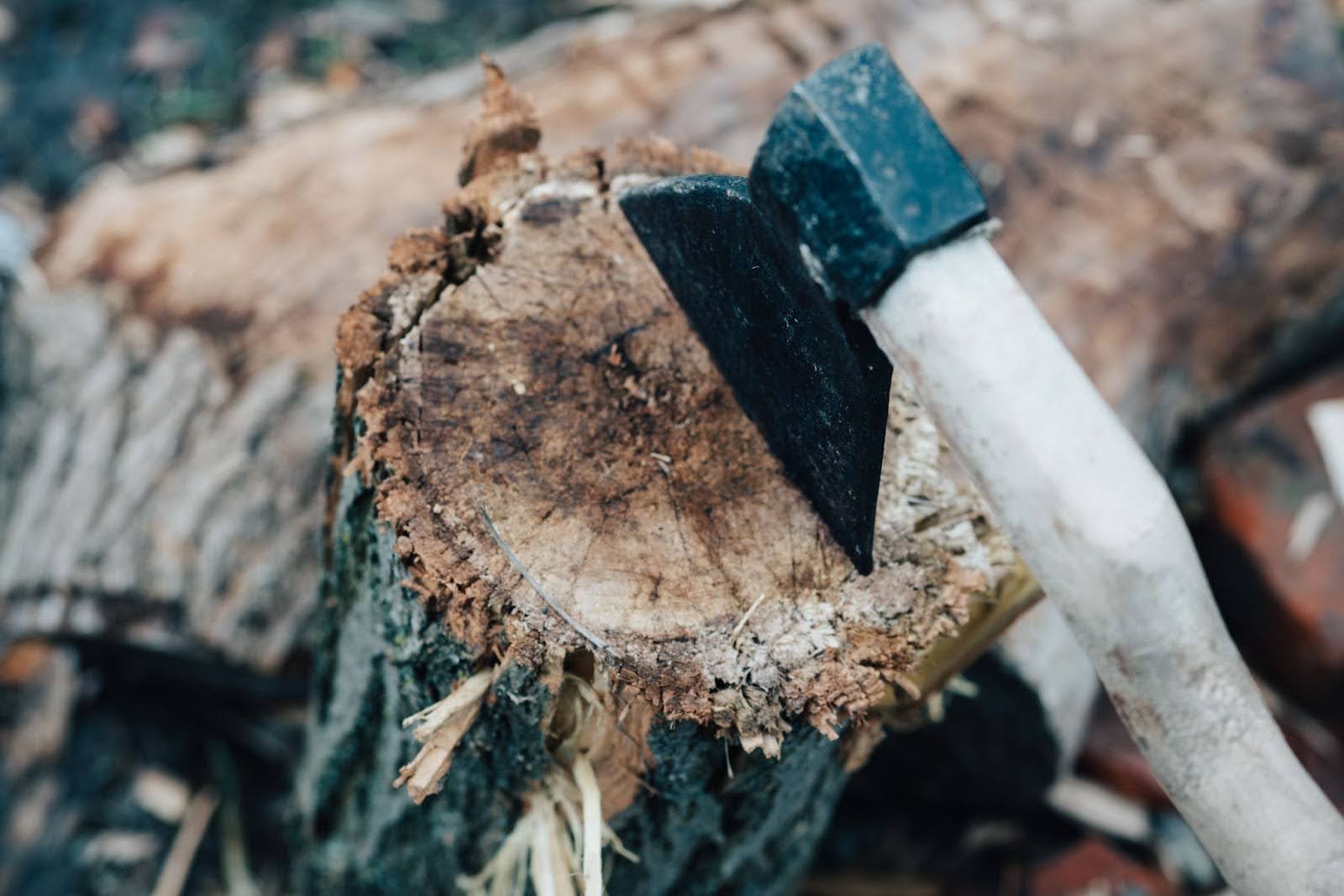
When a tree is cut down, the remaining stump is often overlooked—but stump removal is far more than a cosmetic upgrade. Leaving a stump can create ongoing risks, including tripping hazards, pest infestations, regrowth, and interference with future landscaping. A yard free of stumps is safer, more functional, and far easier to maintain. Whether you plan to plant new greenery, build a deck, or simply enjoy an open lawn, stump removal clears the way. Below, we’ll explore the many reasons stump removal should be part of your yard care plan and offer guidance for doing it right.
How Stump Removal Improves Safety and Prevents Accidents
One of the most immediate practical benefits of stump removal is the reduction of physical hazards. Stumps are hidden dangers in lawns, especially when grass or leaves grow over them, making them difficult to spot. It’s easy to trip, twist an ankle, or damage mowing equipment if you hit a stump you didn’t see. For homeowners with children, elderly adults, or pets, stump removal significantly enhances safety. Removing stumps also reduces liability concerns: a guest injured on a stump in your yard could lead to a painful legal outcome.
Stump Removal Supports Landscape Design and Functionality
Beyond safety, stump removal unlocks potential for your yard. That leftover stump can block pathways, hinder planting, or limit layout options for patios, gardens, or play areas. One of the top reasons for stump removal is to reclaim usable space. Once removed, that area can be leveled, reseeded, or integrated into new hardscaping or lawn expansions. In effect, stump removal gives you a blank canvas in your yard—useful for both aesthetic and functional upgrades.
Why Stump Removal Halts Regrowth and Prevents Sprouts
Even after a tree is cut, the root system may remain active and attempt to produce new shoots from the stump. These re-sprouts are stubborn, often growing multiple trunks that turn into a tangled mess. Without stump removal, you may find yourself repeatedly cutting new growth or applying herbicide. Full stump removal—excavating the root ball or grinding the stump deeply—reduces the chance of future sprouts. This ensures that your yard remains clean, consistent, and easier to manage over time.
How Stump Removal Prevents Pest Infestations and Disease
A decaying stump is like a beacon for pests and disease organisms. Insects such as termites, ants, beetles, and wood borers are attracted to the rotting wood. Some will tunnel outward and infest nearby structures or healthy trees. Fungal diseases also thrive in decomposing wood and can spread to surrounding plants. By prioritizing stump removal, you eliminate the ideal habitat for these pests and pathogens, thereby protecting the broader health of your landscape. This is one of the substantive reasons stump removal is not just aesthetic but preventive.
Why Stump Removal Helps Maintain Soil Health
As a stump decays, it draws nutrients and water from the surrounding soil. That can starve nearby plants or grass of essential resources. Additionally, the decomposition process can cause soil subsidence—sinking or uneven ground—resulting in dips or hollows. When you invest in stump removal, you stabilize the soil profile and prevent future depressions. The area can then be backfilled, graded, and replanted to restore balance to your yard’s ecosystem.
How Stump Removal Simplifies Routine Yard Maintenance
A yard cluttered with stumps is a nuisance during mowing, edging, or lawn care. Each stump forces you to work around odd shapes or small blind spots. Lawn equipment can be damaged by blades hitting hidden stumps below ground level. With stump removal completed, your lawn equipment moves smoothly, and maintenance becomes faster and safer. The removal also helps achieve consistent mowing coverage and clean lines. In short, stump removal streamlines routine care.
When Stump Removal Is Critical for Renovation Projects
If you plan to make structural improvements—such as building a deck, driveway, garden wall, or patio—a stump may interfere with the foundations or footings. Underground root remnants can shift over time, potentially damaging new structures. Before construction, stump removal ensures you have a clean, stable site. It also reduces surprises: contractors prefer working on cleared ground with no hidden stumps or root mass. In renovation or development contexts, stump removal is often a must-do for long-term structural integrity.
Different Methods of Stump Removal and Their Pros
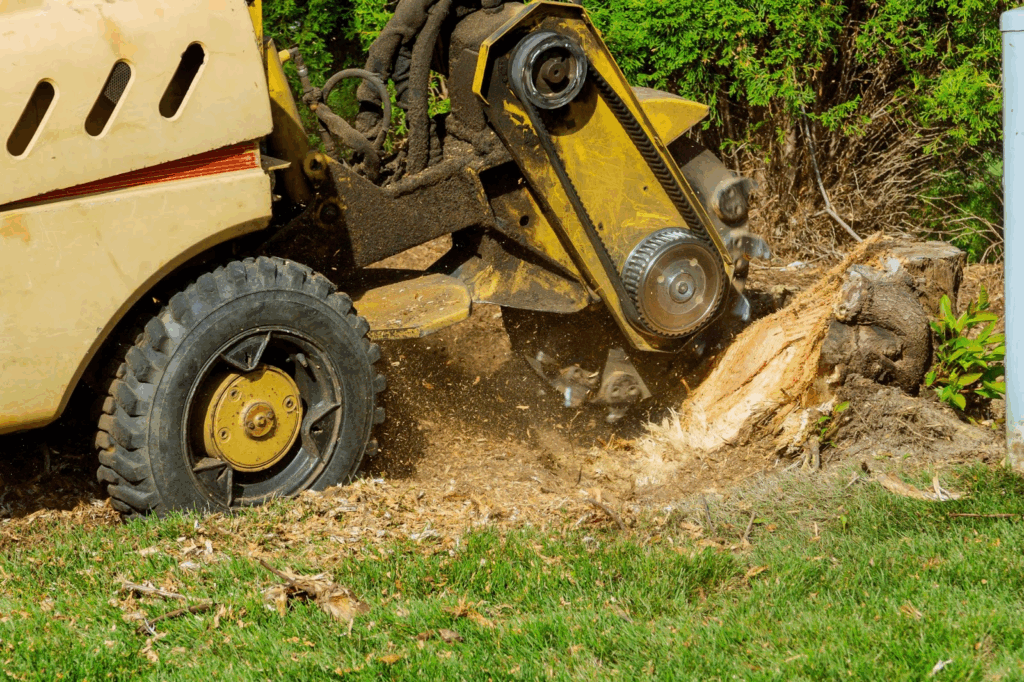
Stump removal can be done in different ways, depending on the size, species, and your goals. One common method is stump grinding, where a specialized machine shaves away wood until the stump is several inches below grade. This is efficient and less disruptive to surrounding areas. Another is full stump extraction, digging out the stump and root ball entirely—ideal when you want zero root remnants. Chemical decomposition is another technique, where the stump is treated to accelerate rotting, allowing it to be removed later with ease. Each method has its pros and trade-offs in terms of cost, effort, and yard impact.
Why Hiring Professionals for Stump Removal Is Worth It
While small stumps might seem manageable with rented equipment, professional stump removal offers safety, precision, and speed. Experts assess underground utilities, root structure, and methods that reduce risk to your landscape. They also have machinery and expertise that minimize damage to adjacent plants and turf. A reliable contractor will handle cleanup, backfilling, and reseeding so your yard is ready to go. In many cases, the convenience and peace of mind justify the investment in professional stump removal.
Cost Factors to Consider with Stump Removal
Stump Size and Root Mass Affect Pricing
Larger stumps with extensive root systems require more time, labor, and equipment to remove, which increases overall cost for stump removal.
Accessibility Determines Difficulty
If the stump is located in a tight corner, near a structure, or behind obstacles like fences, the job becomes more complex and time-consuming.
Tree Species Impacts Labor
Hardwoods like oak or maple are denser and more difficult to grind or extract than softer woods, making stump removal more labor-intensive and expensive.
Method of Stump Removal Influences Cost
Grinding, full extraction, or chemical treatments each carry different price points depending on the equipment, labor, and time involved.
Site Conditions Can Raise Expenses
Factors like steep slopes, rocky soil, or proximity to underground utilities make stump removal more challenging and can increase total cost.
Open Communication Ensures Fair Pricing
Discussing all these variables with your provider ahead of time helps you get an accurate estimate and fair pricing for your stump removal project.
Risks and Safety Considerations in Stump Removal
Stump removal is not without hazards. Flying debris, buried rocks, hidden roots, and uneven ground pose risks to operators and bystanders. Heavy machinery must be handled with care to prevent damage to nearby structures or underground utilities. Proper safety gear, including goggles, ear protection, and gloves, along with an awareness zone, helps reduce accidents. Ensuring the work zone is cordoned off from children and pets is essential. Additionally, notifying utility companies before digging is essential to prevent costly damages or injuries.
The Environmental Impact of Stump Removal
One concern about stump removal is disturbance to soil ecology. Excavation or the use of heavy machinery can compact soil, disrupt microbial life, or damage nearby root systems. However, controlled stump removal, combined with appropriate restoration, can enhance long-term soil health. Once the stump is removed and the area is properly replanted or mulched, beneficial flora can reestablish. Also, removing decaying wood reduces disease and pest burden on the property. In many cases, stump removal leads to healthier, more balanced landscapes overall.
Timing Considerations for Stump Removal
The best time for stump removal often depends on the season and the moisture. Drier months make soil easier to excavate and reduce mess. Removing stumps immediately after tree removal prevents the stump from decaying and becoming pest habitat in the interim. If you wait too long, rot may make removal brittle and more complicated. That said, you should avoid overly wet or frozen conditions, as they can complicate the use of machinery. Planning stump removal in a moderate climate window maximizes efficiency and minimizes impact.
Maximizing the Value of Stump Removal in Property Maintenance
Stump removal is an investment—not simply an expense. To maximize its value, consider combining it with a broader yard strategy: regrade the area, plan new plantings or hardscaping, and integrate it into long-term maintenance schedules. Utilize the cleared space effectively, perhaps by incorporating a garden bed or lawn extension. Track how much time or money you save on maintenance down the line—fewer mower accidents, fewer pest treatments, simplified mowing. A yard that’s easier to maintain, safer, and more aesthetically pleasing reflects the true return on your stump removal.
Common Mistakes to Avoid When Doing Stump Removal
Underestimating Roots
Stumps often have roots extending far beyond the visible trunk. Removing only the top portion can result in new shoots or suckers sprouting back.
Skipping Utility Checks
Before digging, it’s critical to identify irrigation lines, gas lines, or other utilities to avoid dangerous or costly damage during stump removal.
Harming Nearby Plants
Some DIY attempts remove too much surrounding soil without backfill, harming nearby landscaping and leaving unsightly depressions.
Using Poor Equipment
Inadequate tools or improper techniques can leave behind debris, uneven surfaces, or hidden roots that complicate future yard use.
Neglecting Cleanup
Failing to backfill, reseed, or restore the area after stump removal can leave holes or bare spots that detract from your yard’s appearance.
Why Stump Removal Is the Key to a Safer, Healthier Yard
Stump removal is not simply a cleanup task—it’s a strategic enhancement for yard safety, health, and function. By eliminating hazards, preventing pest pressure, arresting regrowth, and clearing space, stump removal offers both immediate and long-term benefits. Done right, it supports better soil, easier maintenance, and uninterrupted landscaping plans. Whether you choose grinding or full extraction, removing stumps early ensures your yard remains adaptable, clean, and resilient. For any homeowner or property manager seeking a safer, healthier outdoor space, investing in stump removal is a foundational step—one that unlocks the full potential of your landscape.
To learn more about why stump removal is essential for a safe and healthy yard, visit our MALC Rentals blog.